An International Contribution to Robotic Abdominal Wall Surgery
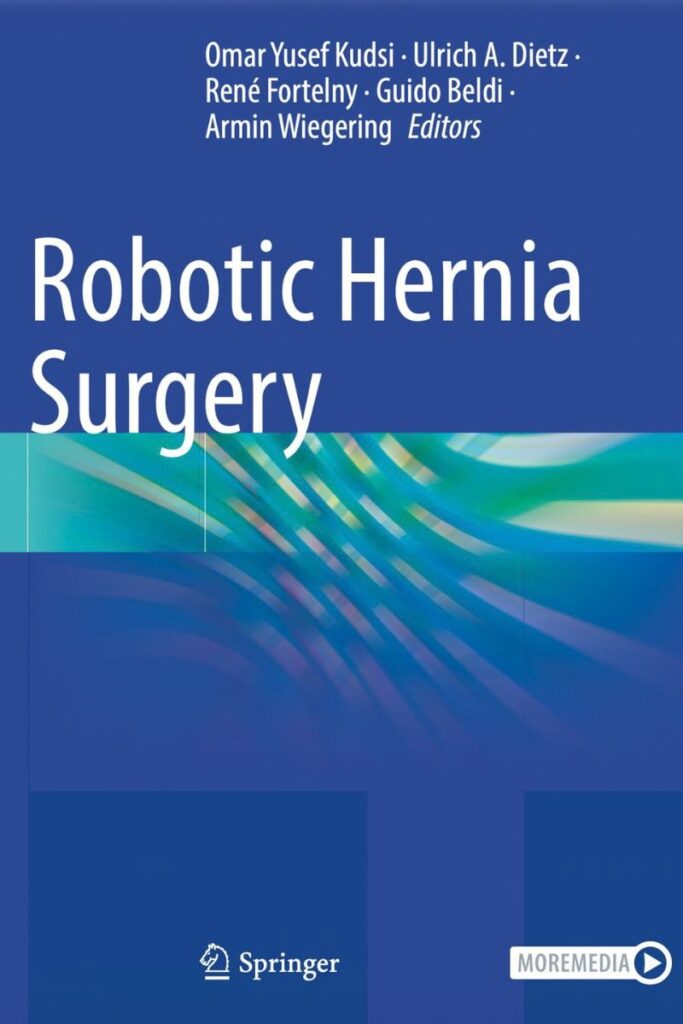
A chapter authored by Ihsan Inan and Ulrich A. Dietz was published in the international reference textbook Robotic Hernia Surgery, edited by Omar Y. Kudsi, Ulrich A. Dietz, René Fortelny, Guido Beldi and Armin Wiegering.
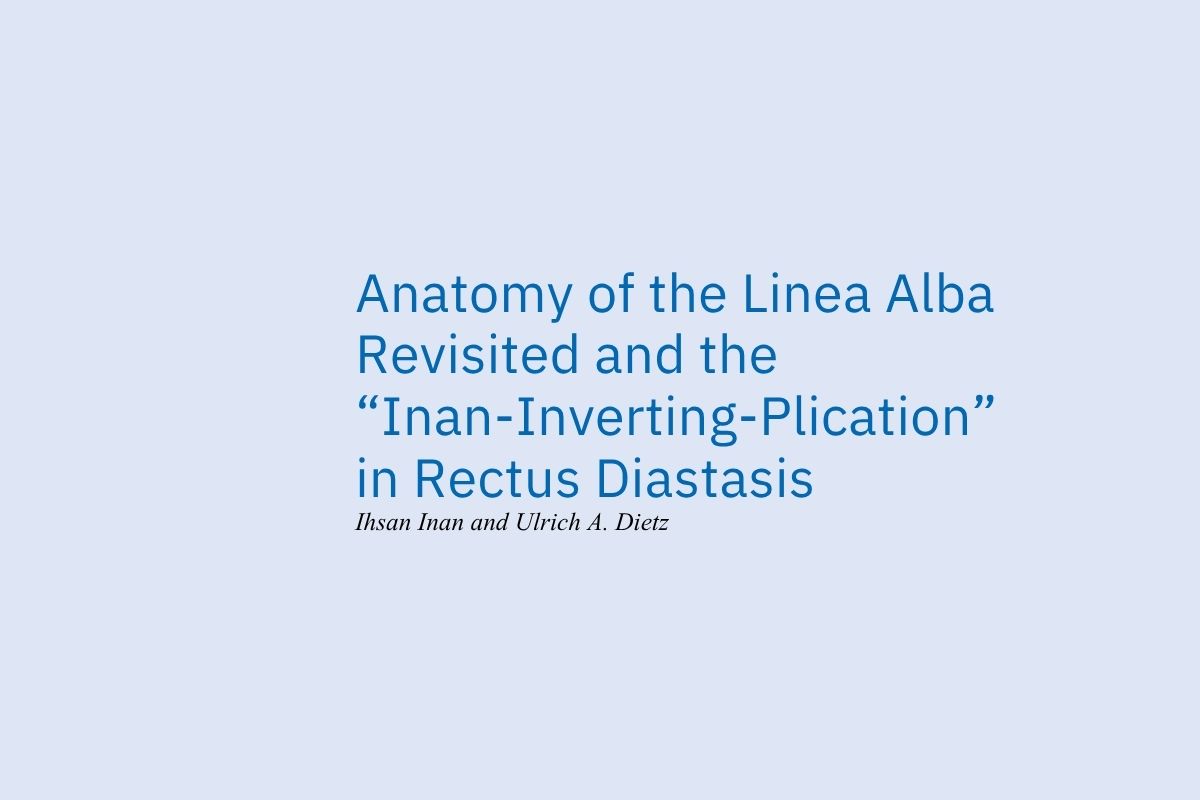
Entitled “Anatomy of the Linea Alba Revisited and the Inan Inverting Plication in Rectus Diastasis”, the chapter examines the anatomical and histological organization of the linea alba and presents the Inan Inverting Plication (IIP) as a reconstructive strategy for robotic abdominal wall surgery.
The publication represents the first formal English-language textbook description of the technique and its underlying anatomical principles.
Revisiting the Anatomy of the Linea Alba
The chapter challenges the traditional concept of the linea alba as a simple tendinous midline structure.
Instead, it describes the linea alba as a complex three-dimensional system composed of intersecting collagen fiber layers and decussating fascial structures that contribute to abdominal wall stability and force transmission.
Based on these observations, the authors introduce the concept of the “linea alba complex”, emphasizing the functional relationship between the anterior rectus sheath, posterior rectus sheath and their interconnected fascial architecture.
Understanding this anatomy is essential for surgeons involved in rectus diastasis repair, ventral hernia surgery and abdominal wall reconstruction.
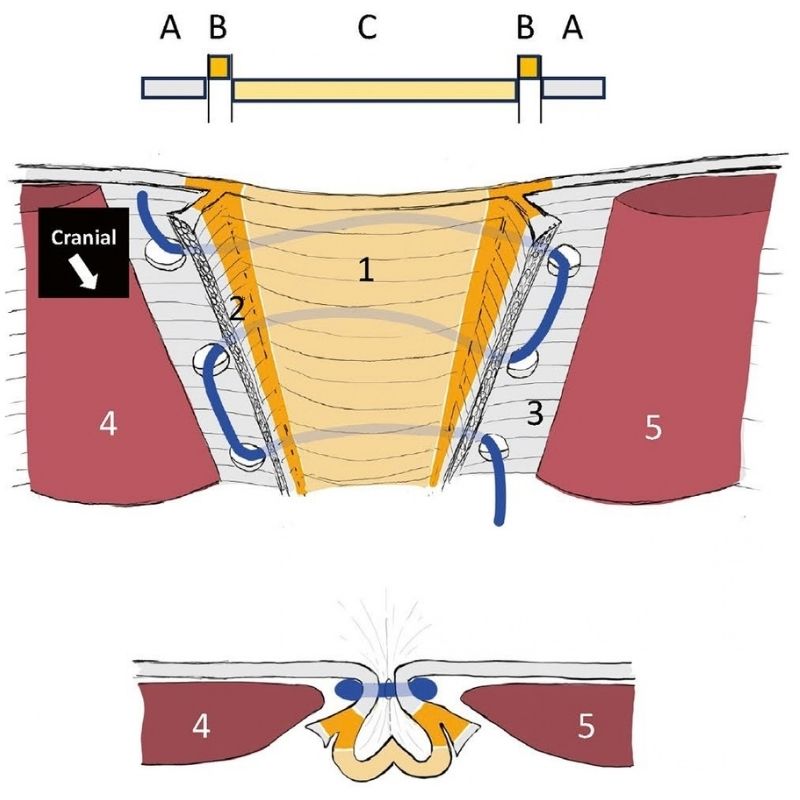
The Inan Inverting Plication Concept
Building on this anatomical analysis, the chapter describes the Inan Inverting Plication as a technique designed to restore the physiologic architecture of the abdominal wall.
The procedure consists of a posteriorly inverted plication of the anterior rectus sheath performed within the retrorectus space and combined with extraperitoneal mesh reinforcement.
Rather than simply narrowing the midline, the technique seeks to recreate the structural configuration of the linea alba complex while preserving abdominal wall biomechanics.
Applications in Robotic Surgery
The development of robotic surgery has significantly expanded the possibilities of abdominal wall reconstruction.
Enhanced visualization, precise intracorporeal suturing and advanced extraperitoneal dissection allow surgeons to perform increasingly sophisticated reconstructions while respecting anatomical planes.
Within this context, the Inan Inverting Plication represents one contribution to the ongoing evolution of robotic rectus diastasis repair and robotic abdominal wall reconstruction.
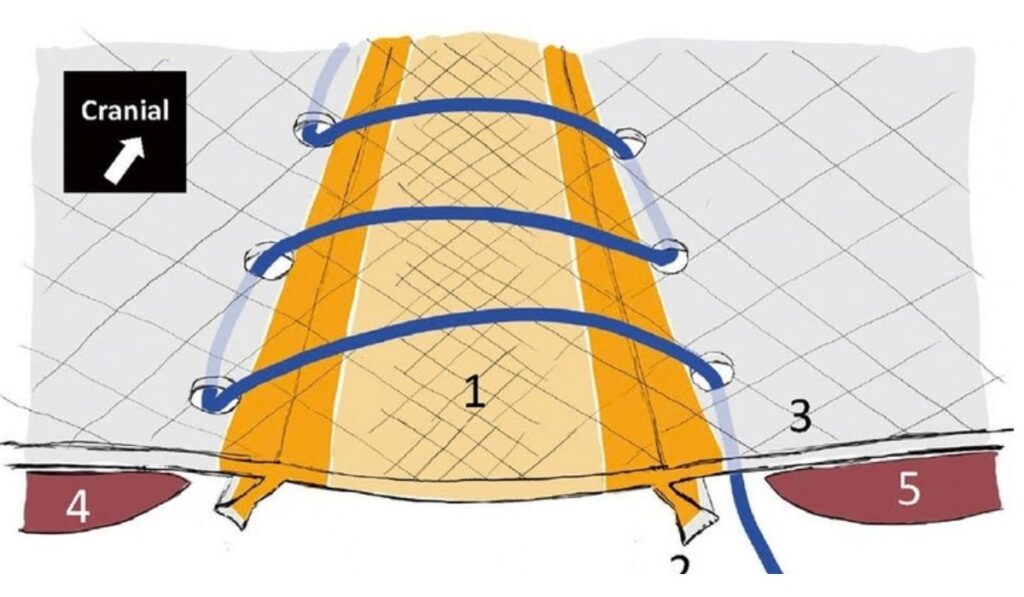
A Continuing Evolution of Abdominal Wall Reconstruction
By linking anatomical research, surgical strategy and robotic technology, this work contributes to the broader conceptual framework of modern abdominal wall surgery.
The chapter reflects an ongoing effort to better understand abdominal wall biomechanics and to develop reconstructive techniques that prioritize anatomy, function and long-term durability.
The Inan Inverting Plication Concept
FAQ
What is the Inan Inverting Plication?
The Inan Inverting Plication is a reconstructive technique designed for robotic repair of rectus diastasis and abdominal wall reconstruction.
What is the objective of the technique?
The objective is to restore the physiologic architecture and biomechanical function of the abdominal wall while reinforcing the midline.
Is the technique performed robotically?
The technique was specifically developed within the context of modern robotic abdominal wall reconstruction.
Who described the technique?
The technique was described by Ihsan Inan and collaborators through anatomical research and clinical application in abdominal wall surgery.