
FR - EN

GENEVA SURGERY
Robotic Visceral and Abdominal Wall Surgery

Geneva Surgery is a specialised surgical practice in Geneva dedicated to advanced robotic surgery of the digestive system and abdominal wall. The activity is centred on precision, safety and durable outcomes, supported by state-of-the-art surgical infrastructure, structured perioperative care and a strong multidisciplinary team approach. The practice covers the full spectrum of general visceral surgery, with particular expertise in abdominal wall reconstruction, hernia surgery, colorectal and small bowel surgery, functional upper gastrointestinal surgery and digestive oncology.

Robotic Surgery as a Standard Approach

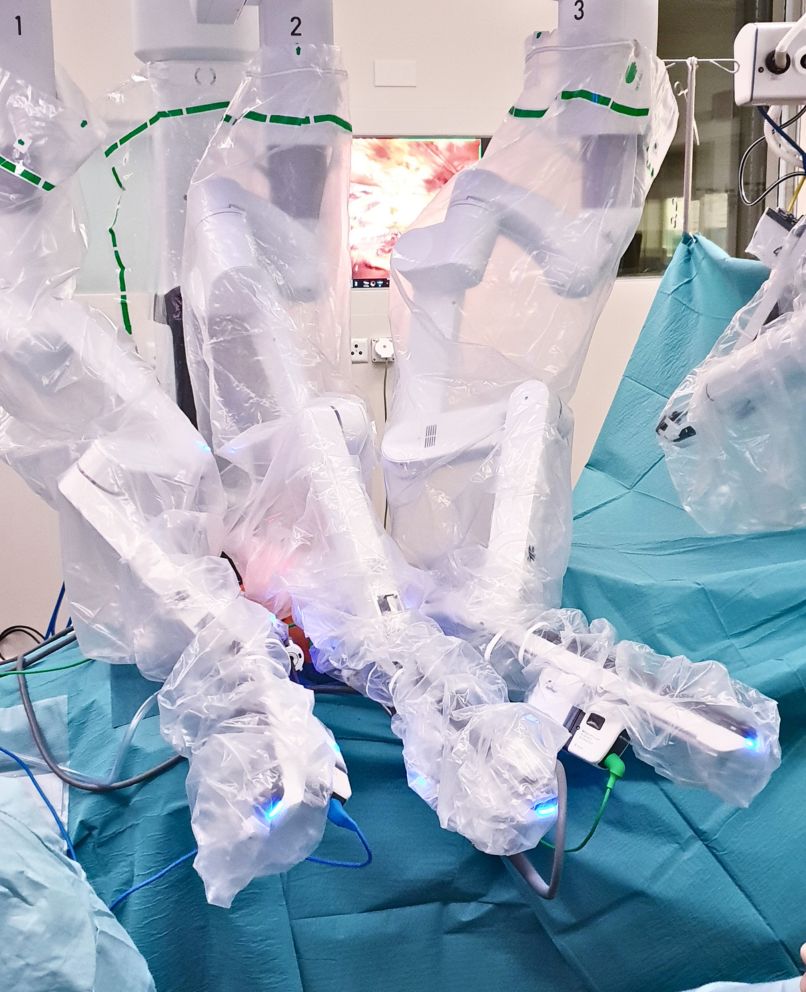
Minimally invasive robotic surgery is used as the standard approach whenever it provides a clear advantage, including in elective, oncological and emergency settings. This strategy supports accurate execution, limits surgical trauma and allows patients to recover in a predictable and controlled manner.

Perioperative Care, ERAS and Prehabilitation

Perioperative care is structured according to ERAS principles, pragmatically integrated into daily practice. Patient preparation includes multimodal prehabilitation combining nutritional optimisation, adapted physical activity and medical optimisation when indicated.

Postoperatively, avoidance of unnecessary drains, tubes and catheters, early mobilisation, an opioid-free pain management strategy and early oral intake support efficient and predictable functional recovery. Patients remain hospitalised until predefined recovery criteria are achieved, ensuring a safe and coordinated transition back to daily life.

robotic visceral surgery Geneva

robotic visceral surgery Geneva

ABDOMINAL WALL

ABDOMINAL WALL

Functional abdominal wall reconstruction grounded in anatomy and biomechanics

Functional abdominal wall reconstruction grounded in anatomy and biomechanics

Abdominal wall surgery requires precise understanding of anatomy, biomechanics and function. At Geneva Surgery, hernias and abdominal wall disorders are managed as functional conditions, using modern reconstructive principles and robotic surgery to restore stability, efficiency and durable quality of life.


Precision groin reconstruction focused on function and long-term stability
Inguinal hernia repair is approached as functional reconstruction of the groin. Robotic techniques allow accurate anatomical dissection, controlled mesh placement and protection of sensitive structures, aiming for durable repair, minimal postoperative pain and predictable functional recovery.


Restoring midline continuity and anterior abdominal wall function
Ventral hernias alter the structural and functional balance of the abdominal wall. Treatment relies on precise anatomical analysis and robotic extraperitoneal reconstruction to restore midline continuity, limit surgical trauma and achieve durable, predictable outcomes.


Reconstructing altered abdominal wall anatomy after prior surgery
Incisional hernias reflect impaired tissue quality and disrupted biomechanics following prior surgery. Management focuses on functional reconstruction and wide extraperitoneal reinforcement enabled by robotic precision to restore stability and reduce long-term recurrence.


Advanced abdominal wall reconstruction in complex anatomical situations
Rare and complex hernias involve altered anatomy, functional loss or failed prior repairs. Treatment relies on meticulous planning, multidisciplinary optimisation and robotic reconstruction to restore abdominal wall integrity, physiological balance and durable function.


Restoring midline integrity to recover functional core stability
Diastasis recti is a functional disorder of the abdominal wall rather than a cosmetic condition. Management aims to restore midline tension and biomechanical coherence through precise robotic reconstruction, improving core stability, force transmission and long-term functional balance.
Surgical Philosophy and Team-Based Care

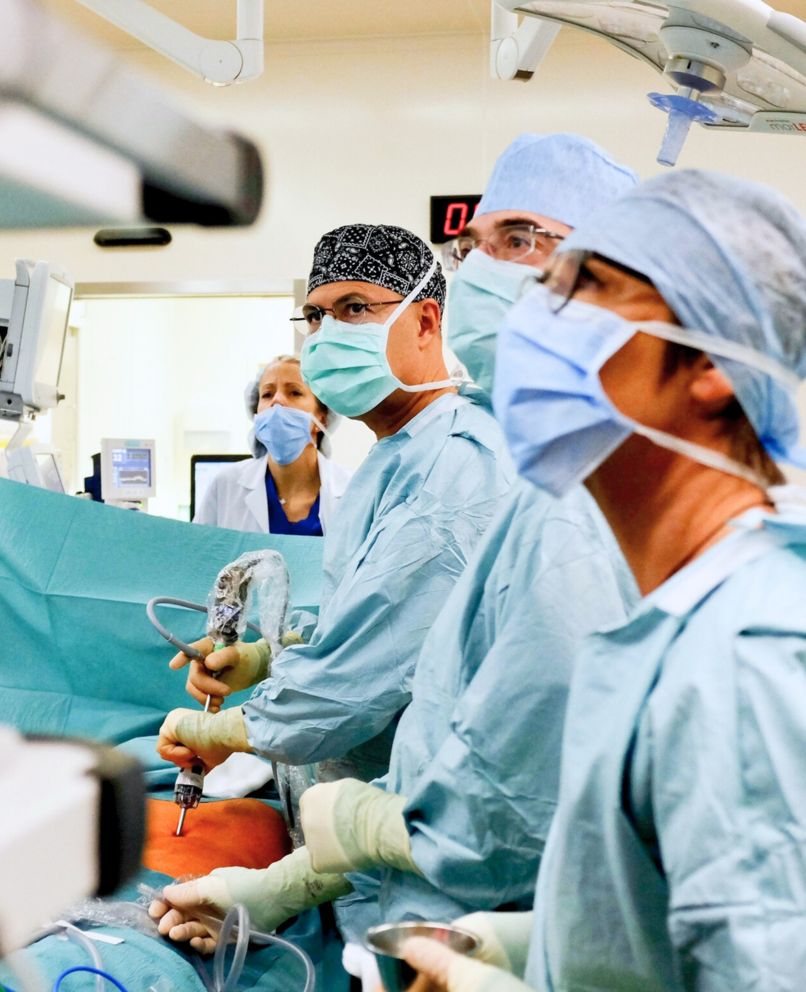
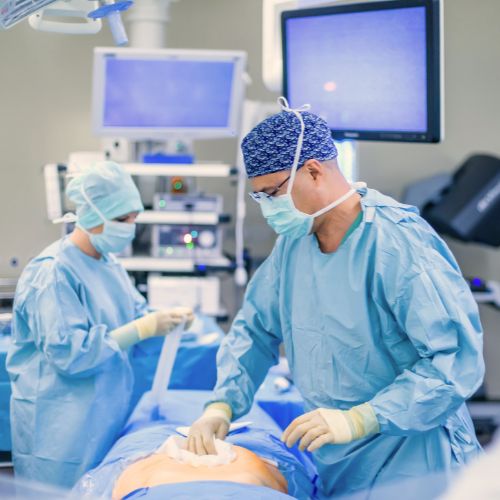
Surgery at Geneva Surgery follows a clear philosophy: precision, safety, functional restoration and durable outcomes. Surgical care is delivered through a coordinated and multidisciplinary team approach. Close collaboration between surgeons, anaesthesiologists, physiotherapists and referring physicians ensures continuity of care before and after surgery.

A dedicated surgeon–anaesthesiologist partnership remains engaged throughout the postoperative period, supporting safety, consistency and a predictable recovery pathway.

Multidisciplinary Decision-Making

Multidisciplinary collaboration is a core component of care. Depending on the clinical situation, management is discussed within appropriate specialist boards bringing together surgeons, medical oncologists, gastroenterologists, radiologists, pathologists, radio-oncologists, nuclear medicine specialists and medical genetics expertise

This coordinated approach ensures that surgical decisions are fully integrated into a global therapeutic strategy.

Experience, Teaching and Academic Engagement

Geneva Surgery brings together extensive experience in laparoscopic and robotic surgery, international teaching and proctoring activities and continuous academic involvement. Close collaboration between surgical, anaesthesia, physiotherapy and medical teams ensures continuity of care before, during and after surgery.

The objective is to deliver state-of-the-art care without the organisational constraints of large academic structures, while maintaining the same level of rigour and expertise.

robotic visceral surgery Geneva

robotic visceral surgery Geneva

DIGESTIVE SURGERY

DIGESTIVE SURGERY

Precision-driven digestive surgery focused on safety and function
Digestive surgery requires rigorous decision-making and controlled execution. Robotic minimally invasive techniques support precise dissection, functional preservation and structured perioperative care across elective, oncological and emergency digestive conditions.

Precision-driven digestive surgery focused on safety and function
Digestive surgery requires rigorous decision-making and controlled execution. Robotic minimally invasive techniques support precise dissection, functional preservation and structured perioperative care across elective, oncological and emergency digestive conditions.

Controlled colorectal surgery combining oncological rigor and function
Colorectal and small bowel surgery demands anatomical precision and anticipation. Robotic techniques enable accurate dissection, safe reconstruction and preservation of pelvic and abdominal function in both benign and oncological conditions.


Functional upper digestive surgery guided by anatomy and stability
Upper gastrointestinal and biliary surgery is based on functional analysis and anatomical precision. Robotic surgery supports safe dissection and controlled reconstruction in gallbladder disease, reflux and hiatal hernia, prioritising durability and patient safety.


Oncological digestive surgery within an integrated multidisciplinary pathway
Digestive cancer surgery is delivered within a coordinated oncological framework. Robotic techniques support oncological precision, lymphatic clearance and functional preservation, enabling safe surgery and timely continuation of multimodal cancer treatment.


Raising the standard of emergency surgery through 24/7 robotics
Continuous integration of the robotic platform in emergency surgery allows the same standards of precision, safety and operative control as elective procedures, elevating the quality of care for complex visceral emergencies.


Scope of Care and Standards

Surgical care encompasses elective, oncological and emergency situations, all delivered within the same high-standard framework, where urgency or complexity modifies timing but never standards.

Purpose of this website

This website provides clear and reliable information about surgical domains of expertise, perioperative organisation and treatment philosophy. Its purpose is to support informed decision-making and to present a practice committed to high standards of safety, communication and patient-centred care.

Patient FAQ

Abdominal Wall & Hernias

An abdominal lump may correspond to a hernia or a weakness of the abdominal wall. A clinical examination is required to determine its nature.

Groin pain may be related to an inguinal hernia, but other causes are possible. A specialised evaluation is necessary to establish an accurate diagnosis.

After pregnancy, loosening of the abdominal wall is common. This may correspond to diastasis recti, depending on symptoms and functional impact.

This may reflect a loss of tension of the midline abdominal structures. A functional assessment helps determine its clinical significance.

Some hernias remain stable, while others may progress. Follow-up depends on symptoms and functional impact.

No. The decision is individualised and based on symptoms, risk assessment and lifestyle.

Digestive Surgery

Abdominal pain can have many origins. A structured clinical evaluation helps guide further investigations.

Persistent pain, bowel habit changes or functional discomfort warrant specialist assessment.

No. Minimally invasive techniques now allow more targeted procedures with faster recovery.

Length of stay depends on the procedure and postoperative course. Modern care pathways aim for predictable recovery.

Diet is reintroduced gradually, following protocols adapted to each clinical situation.