Frequently Asked Questions
Gallbladder and cholecystectomy
What is gallbladder disease?
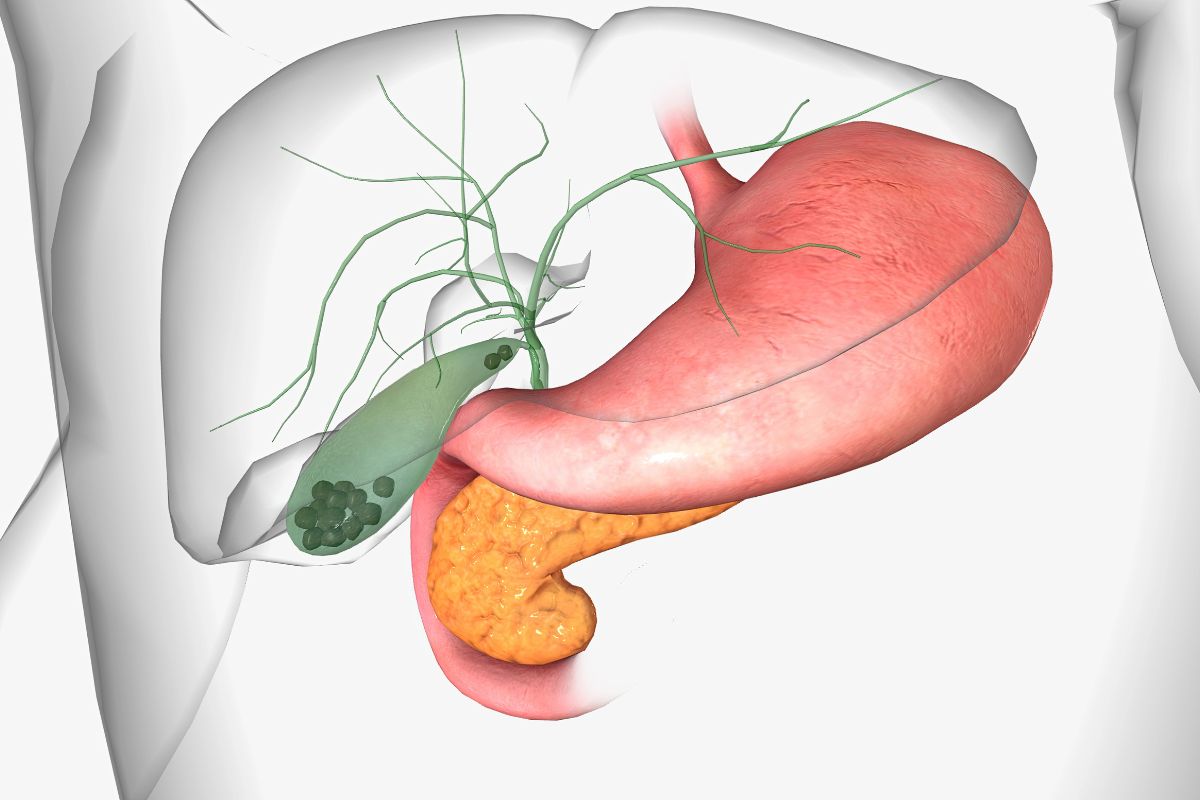
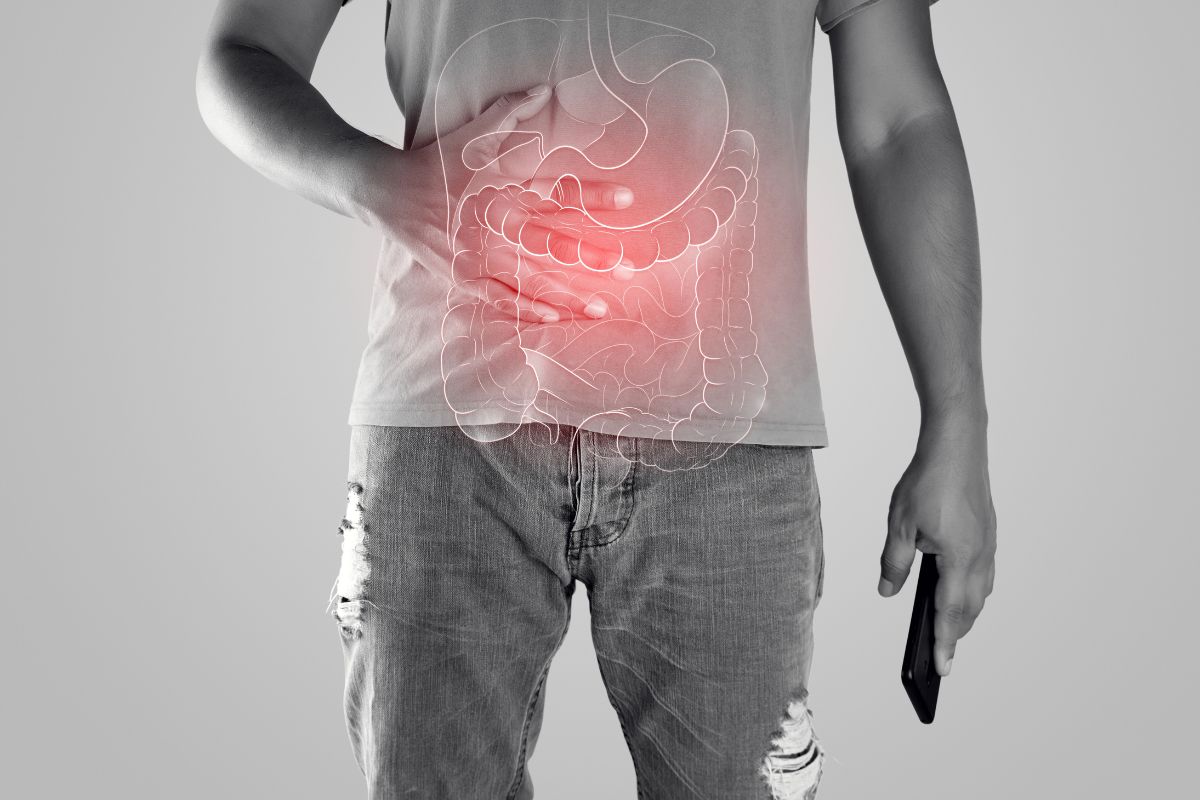
Gallbladder disease includes gallstones, gallbladder inflammation and selected gallbladder polyps. These conditions may be silent or cause pain, digestive symptoms and complications.
Do gallstones always require surgery?
No. Asymptomatic gallstones do not systematically require surgery. Cholecystectomy is considered when stones cause recurrent pain, inflammation, complications or a specific risk of progression.
When should a gallbladder polyp be removed?
Cholecystectomy is generally recommended for larger polyps, growing lesions, symptomatic polyps or situations associated with increased oncological risk.
Why is ICG used during cholecystectomy?
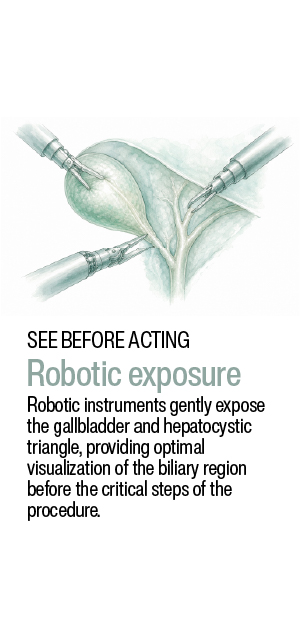
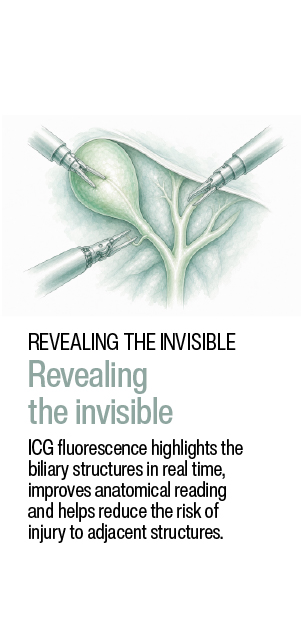
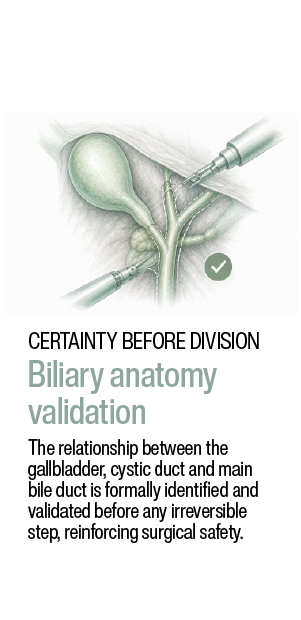
ICG provides dynamic visualisation of the biliary structures during surgery. It helps guide dissection, especially when inflammation or anatomical variation makes identification more difficult.
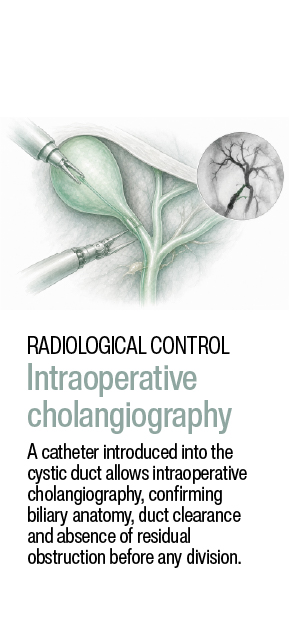
Why is intraoperative cholangiography also performed?
Intraoperative cholangiography provides radiological confirmation of biliary anatomy, duct clearance and absence of residual stone obstruction. It complements ICG without replacing it.
Can you live normally without a gallbladder?
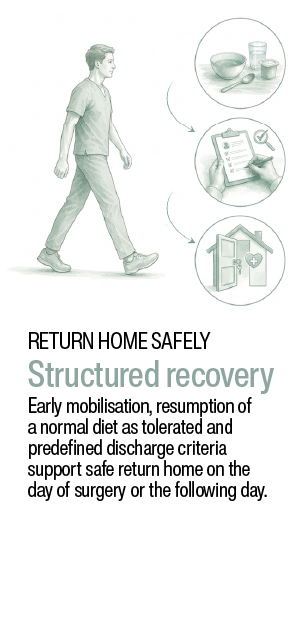
Yes. The gallbladder is not essential for digestion. Most patients resume a normal diet and normal digestive function after the procedure.