Introduction
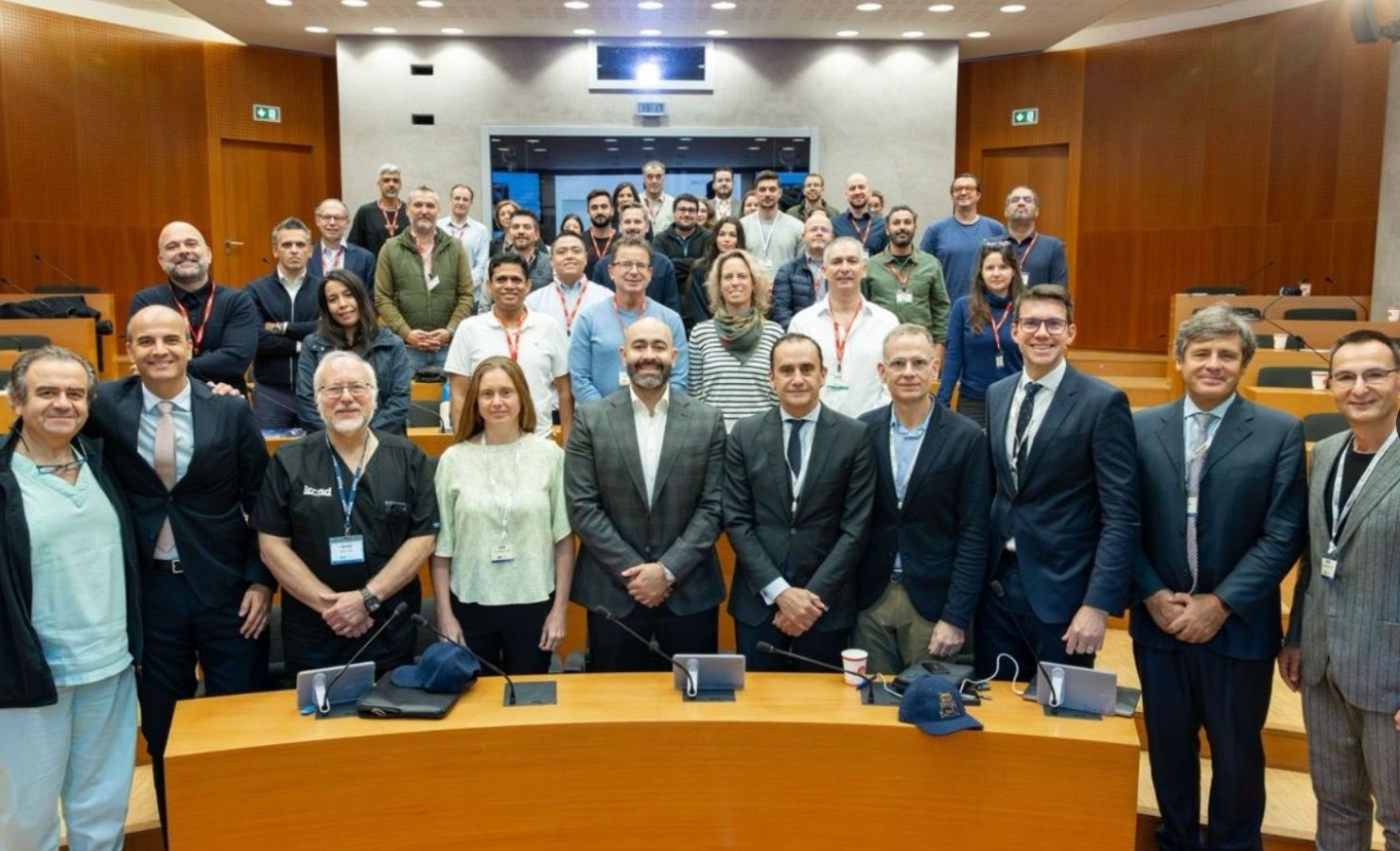
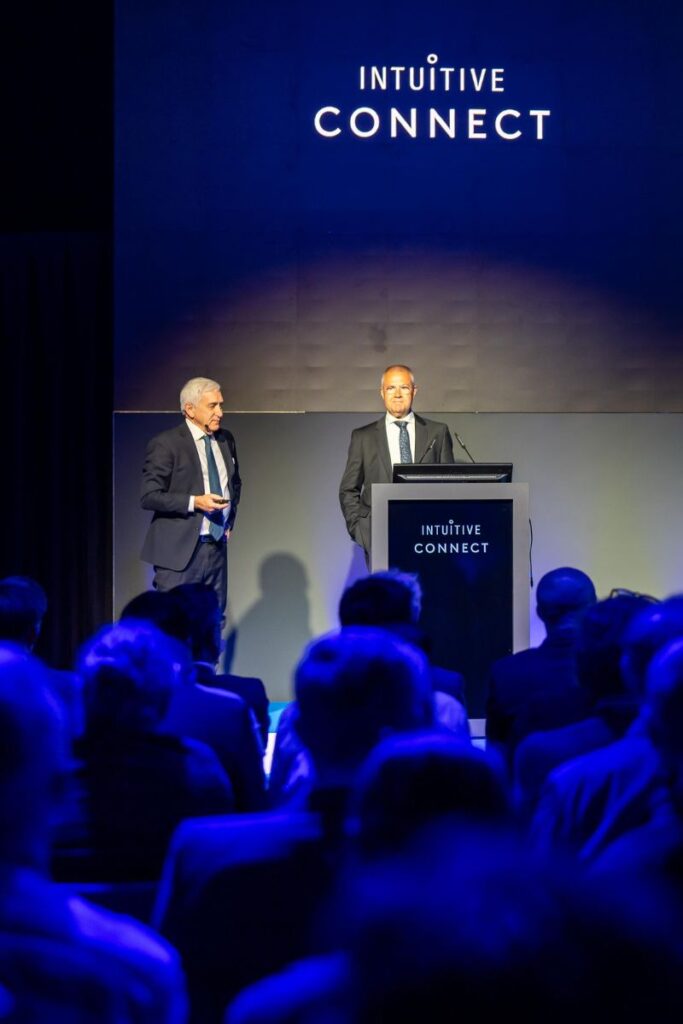
Geneva Surgery was honored to participate in Intuitive Connect Hernia 2026 alongside an outstanding international faculty dedicated to the future of robotic abdominal wall surgery.
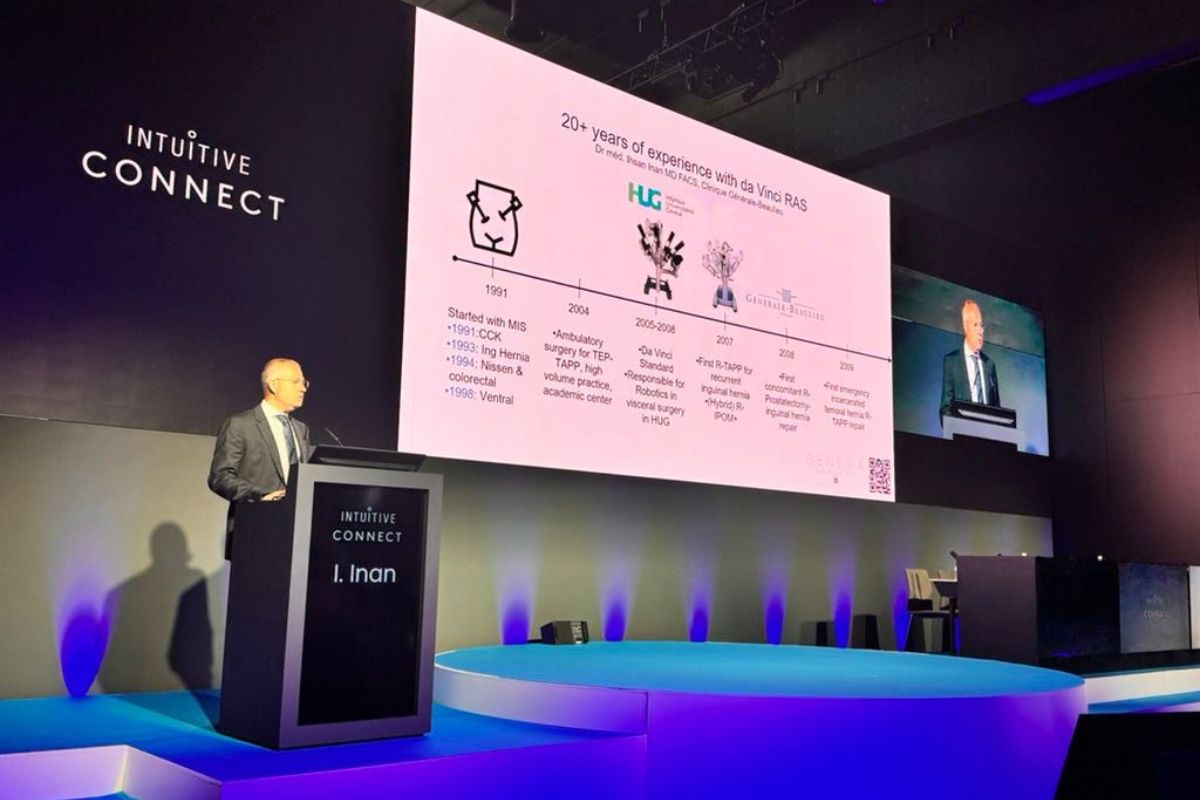
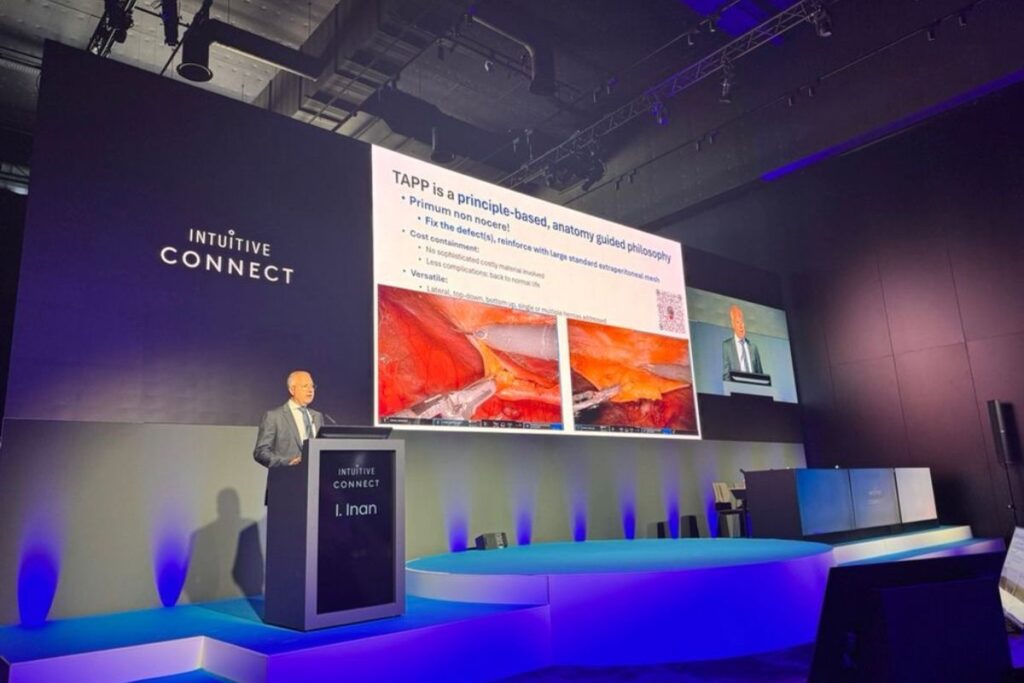
During this meeting, Dr Ihsan Inan presented a lecture entitled “Preperitoneal First: A New Standard to Ventral Hernia Repair?”, exploring the progressive transition from traditional intraperitoneal mesh repair strategies toward anatomy-driven extraperitoneal reconstruction enabled by modern robotic surgery.
From IPOM Toward Anatomy-Driven Reconstruction
For many years, minimally invasive ventral hernia surgery was largely dominated by the IPOM era. While this represented major progress compared with open surgery, it also introduced important limitations including intraperitoneal mesh contact, adhesions, fixation-related pain and increasing dependence on complex prosthetic materials.
Today, robotic surgery allows a different philosophy. Rather than adapting anatomy to the limitations of the technique, modern robotic abdominal wall reconstruction increasingly aims to preserve physiologic planes, respect abdominal wall mechanics and recreate large extraperitoneal reinforcement inspired by the historical principles developed by René Stoppa.
The Importance of Preserving Anatomy
Extraperitoneal approaches such as robotic TAPP allow surgeons to position large mesh reinforcement outside the abdominal cavity while minimizing visceral contact and preserving key anatomic structures whenever possible.
This evolution reflects a broader shift toward anatomy-guided reconstruction, biomechanical preservation and reduction of unnecessary collateral wall injury.
Robotics Beyond Technology
Robotic surgery is no longer only about smaller incisions or advanced instruments.
The true transformation lies in reproducibility, precision, scalability of expertise and the ability to perform increasingly sophisticated reconstructions while maintaining minimally invasive benefits.
Robotic surgery allows surgeons to revisit historical surgical principles with a level of visualization, dexterity and control previously impossible through conventional minimally invasive approaches.
The Geneva Surgery Philosophy
At Geneva Surgery, robotic surgery is fully integrated into daily visceral and abdominal wall practice.
This includes robotic hernia repair, abdominal wall reconstruction, colorectal surgery, upper gastrointestinal surgery, hepatobiliary surgery and emergency surgery.
The objective is not to promote a single universal technique but to develop individualized reconstruction strategies guided by anatomy, physiology, biomechanics and long-term functional restoration.
Looking Forward
The future of ventral hernia repair will likely not be defined by one operation alone.
It will be defined by a philosophy: respect anatomy whenever possible, minimize iatrogenic wall injury, preserve abdominal wall mechanics and tailor reconstruction intelligently to each patient.
Robotic surgery continues to open new possibilities to achieve these goals while maintaining minimally invasive recovery pathways and improving reproducibility of complex abdominal wall reconstruction.