Sharing a Vision of Robotic Surgery
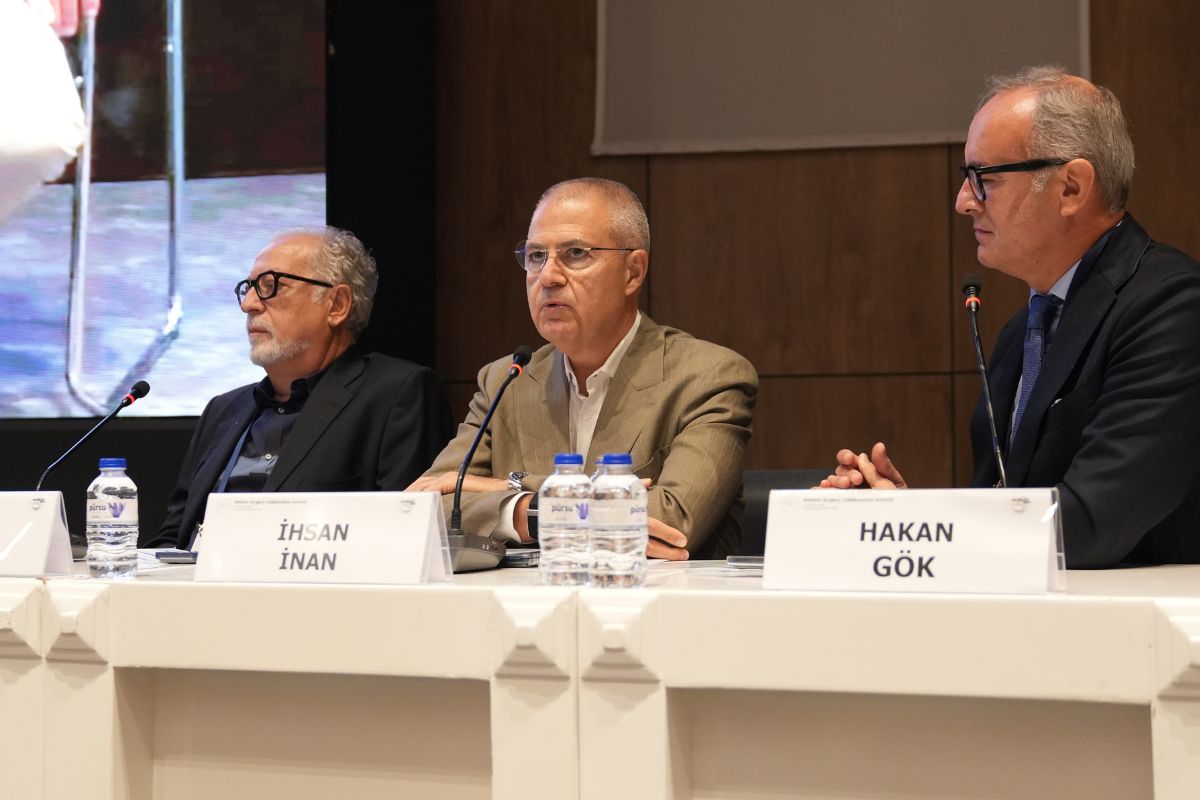
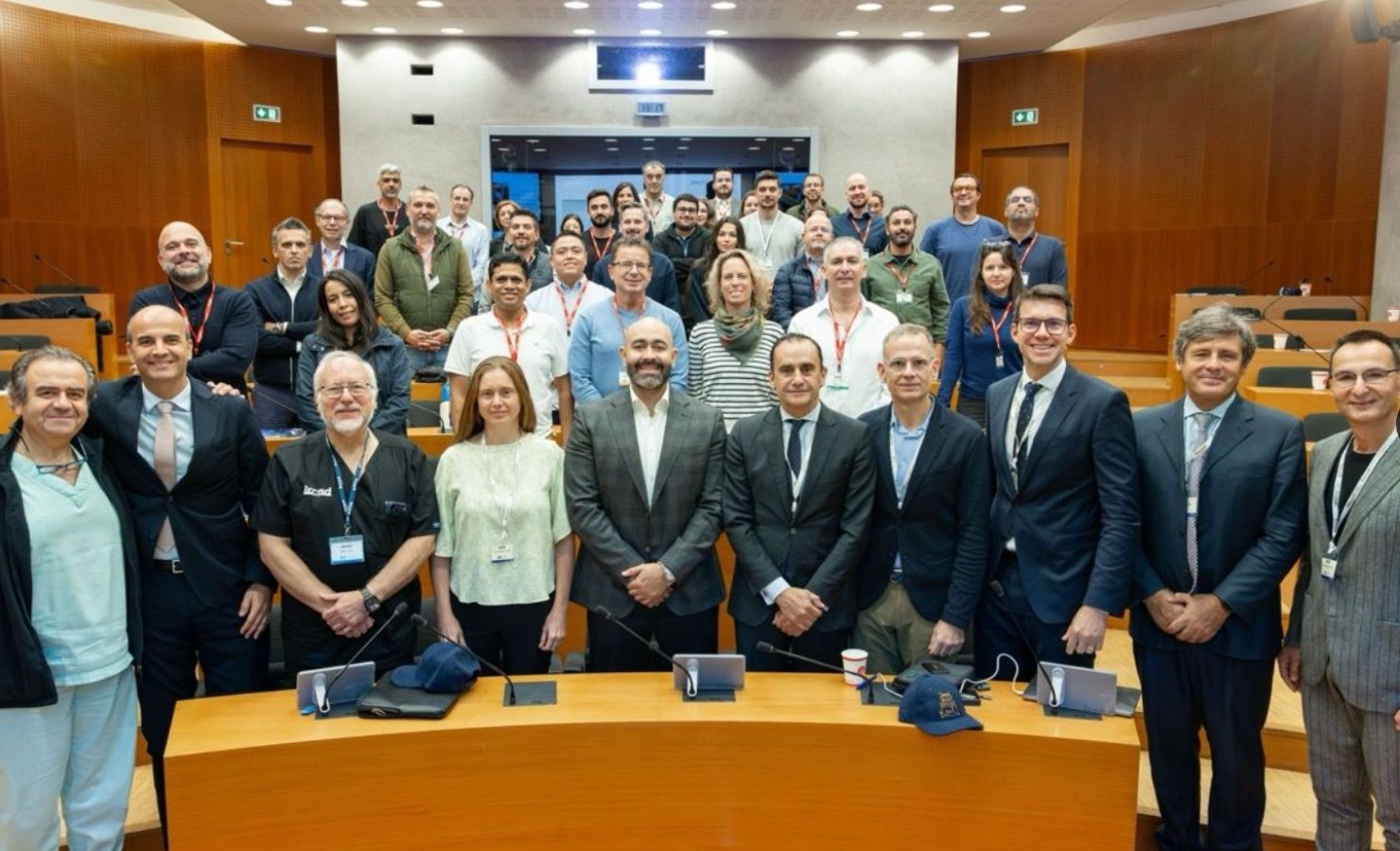
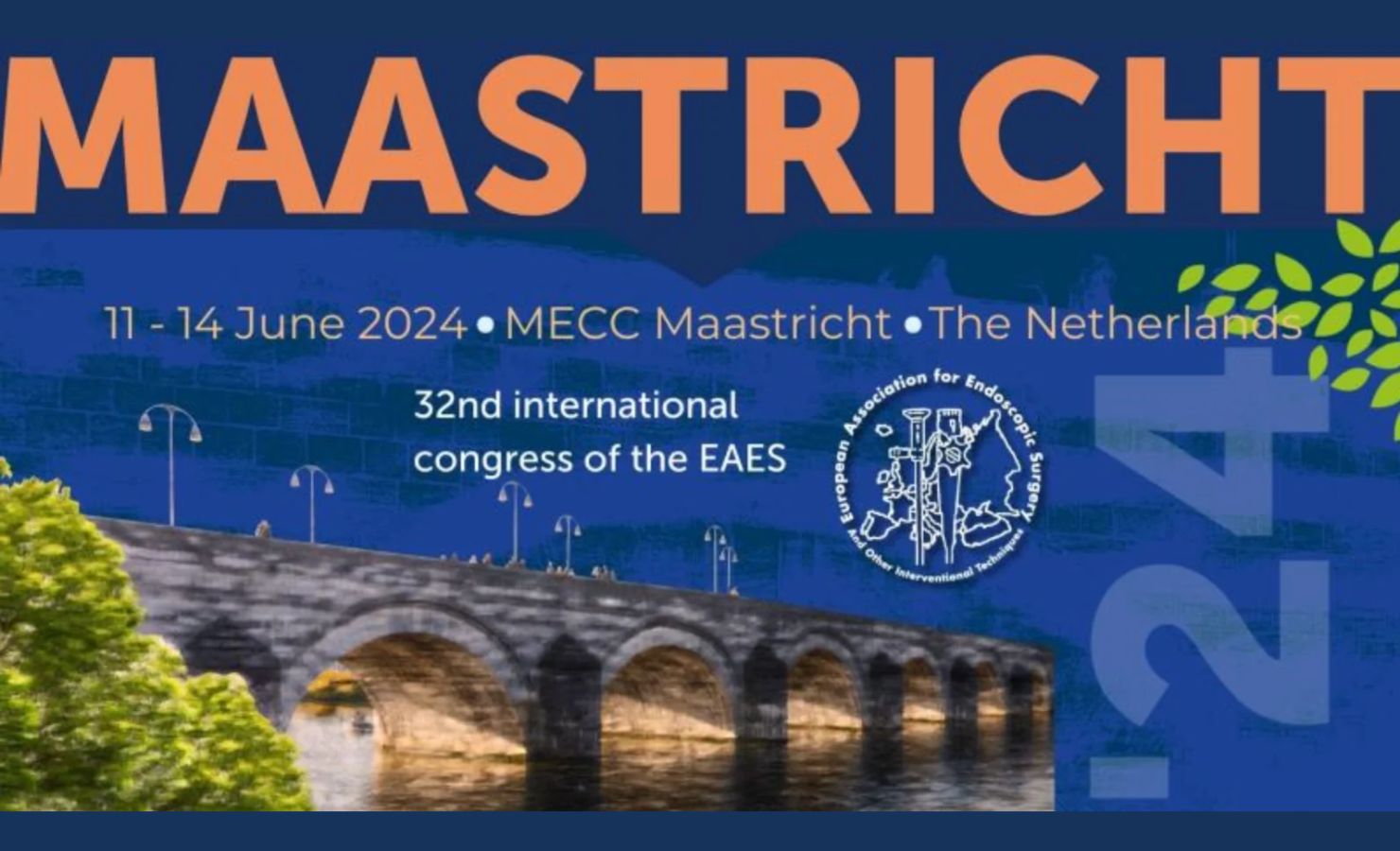
In June 2024, Dr Ihsan Inan was invited to speak at a scientific event organised during the annual congress of the European Association for Endoscopic Surgery (EAES) in Maastricht, the Netherlands.
The session brought together a selected group of surgeons actively involved in robotic and minimally invasive surgery for focused discussions on the future of surgical practice.
Being invited to present at such events reflects more than clinical experience. It reflects participation in the broader conversations that help define how surgery evolves.
The Concept of Total Practice Robotic Surgery
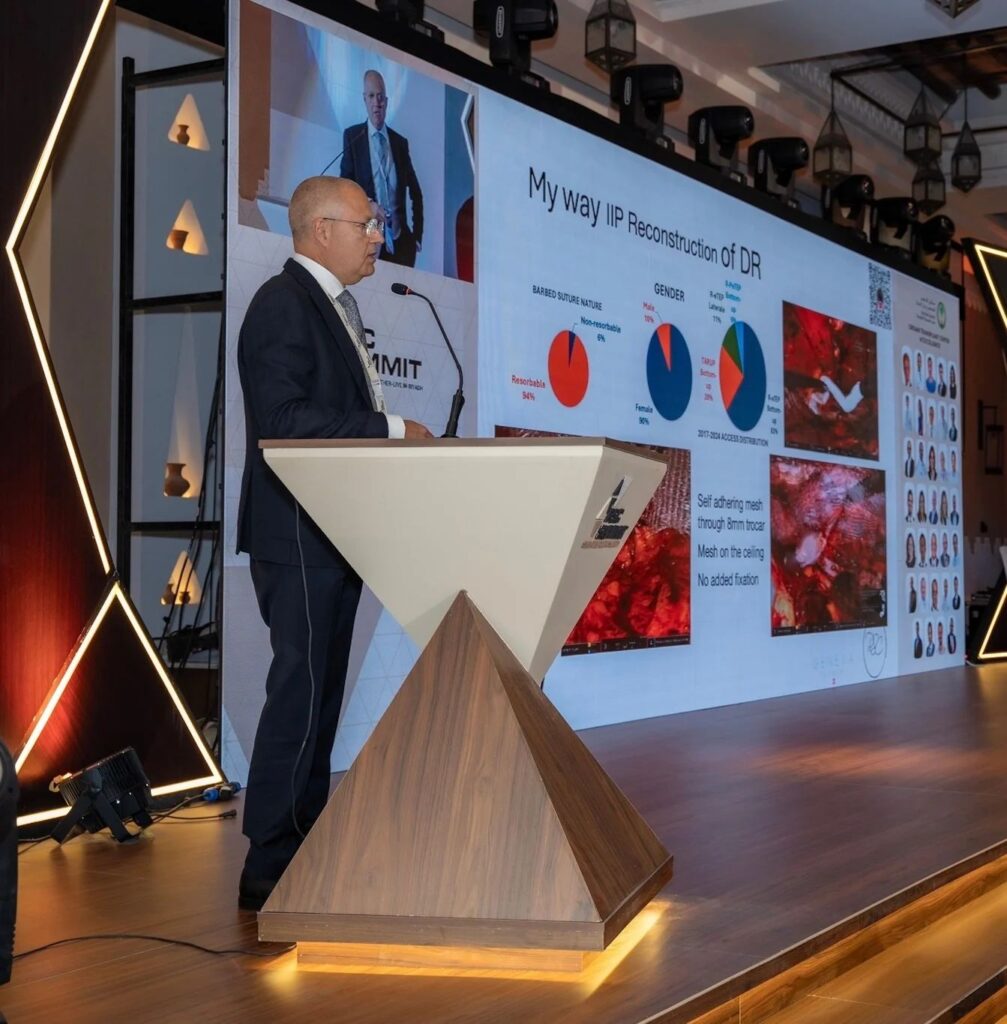
The lecture was entitled:
“Utilizing a Surgical Robot Across All Aspects of General Surgery Practice, Including 24/7 Emergency Situations, and Beyond”
The presentation explored a concept that has become central to the Geneva Surgery philosophy: Total Practice Robotic Surgery.
Rather than restricting robotic platforms to a limited number of highly selected procedures, this approach integrates robotic surgery across the full spectrum of general and visceral surgery whenever it provides meaningful value for patients.
Beyond Selected Procedures
In many institutions, robotic surgery remains confined to specific operations performed during scheduled operating hours.
The concept presented at EAES proposes a different vision.
Robotic surgery can become a comprehensive surgical platform supporting abdominal wall reconstruction, biliary surgery, colorectal surgery, upper gastrointestinal surgery and selected emergency procedures within a structured and experienced environment.
The objective is not to use robotics more often.
The objective is to use robotics consistently, intelligently and whenever it offers a genuine benefit.
Robotic Surgery and Emergency Care
One of the key themes of the lecture was the possibility of maintaining robotic access around the clock.
Emergency surgery has traditionally been viewed as separate from advanced minimally invasive surgery.
However, with appropriate organisation, training and infrastructure, robotic surgery can also play an important role in selected emergency situations.
This philosophy reflects the belief that urgency should not necessarily mean lower technical standards or reduced access to modern surgical techniques.
Why International Discussions Matter
Major scientific meetings such as EAES bring together surgeons from different countries, healthcare systems and practice models.
These exchanges allow new ideas to be challenged, refined and shared internationally.
Participation as an invited expert speaker reflects an ongoing commitment to education, innovation and the advancement of minimally invasive surgery.
For patients, it means receiving care from a surgeon actively involved in shaping how robotic surgery is discussed and developed beyond the operating room.
The Geneva Surgery Philosophy
At Geneva Surgery, robotic surgery is not viewed as a technology reserved for exceptional cases.
It is part of a broader surgical philosophy centred on precision, consistency, safety and continuous innovation.
Whether treating a hernia, gallbladder disease, colorectal pathology or selected emergency conditions, the objective remains the same: delivering the highest possible standard of minimally invasive care.
Would you like to learn more about robotic surgery and how it may apply to your condition?
FAQ
What is Total Practice Robotic Surgery?
It is a surgical philosophy that integrates robotic technology across the full spectrum of general and visceral surgery whenever it provides meaningful benefits for patients.
What is the EAES Congress?
The European Association for Endoscopic Surgery (EAES) Congress is one of Europe’s leading scientific meetings dedicated to minimally invasive and robotic surgery.
Why was Dr Inan invited to speak?
Invited speakers are selected because of their expertise, experience and contribution to advancing surgical practice and education.