
FR - EN

Rare and Complex Hernias

Definition and Functional Impact of Rare and Complex Hernias

Some abdominal wall hernias do not follow standard patterns.
They may involve uncommon locations, altered anatomy, prior failed repairs, or significant impairment of abdominal wall function.

These situations are often referred to as rare or complex hernias, not because they are exceptional in isolation, but because they require a level of analysis, coordination and reconstruction that goes beyond routine repair.

Patients with complex hernias are frequently those who have experienced multiple prior interventions, prolonged symptoms or progressive functional decline.

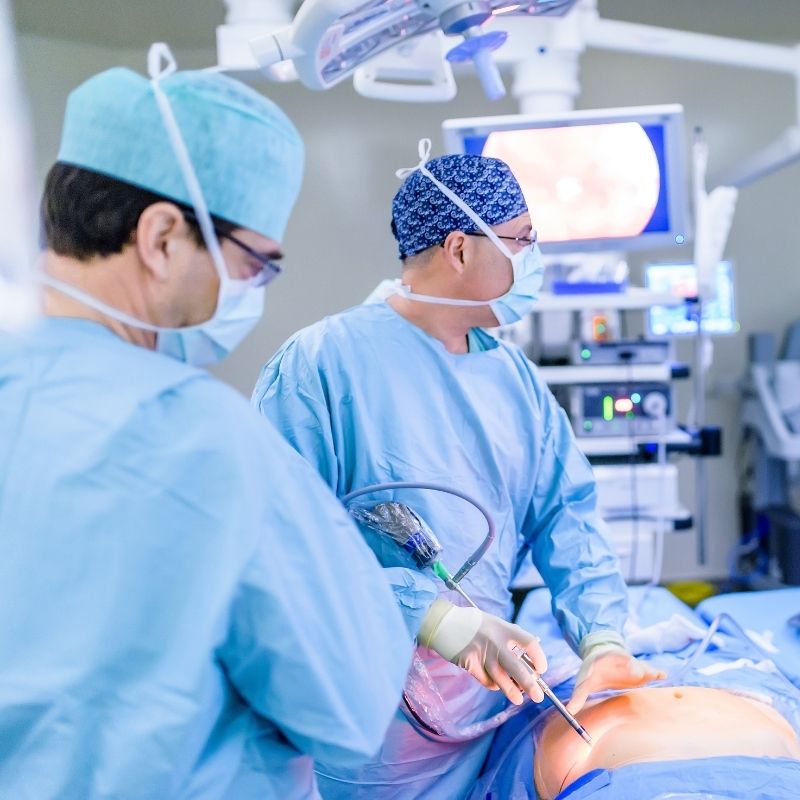
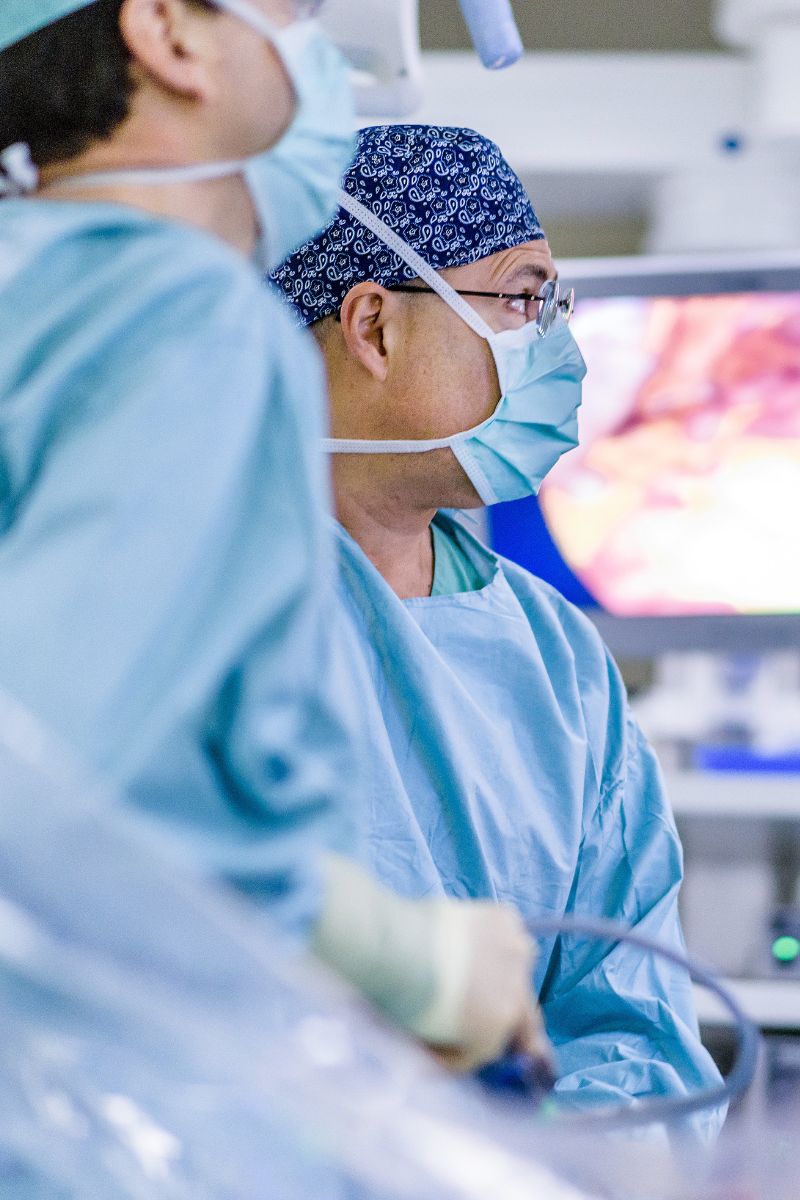
At Geneva Surgery, these cases are approached within a comprehensive and multidisciplinary framework, combining advanced surgical expertise with coordinated medical, nutritional and functional optimisation.

What Makes a Hernia Complex

Beyond Size Alone

Complexity in abdominal wall surgery is not defined by size alone. It may result from altered anatomy following previous operations, recurrent hernias after prior repairs, combined defects involving multiple regions of the abdominal wall, or loss of normal abdominal wall function over time.

Functional and Biomechanical Alterations

In many patients, chronic herniation leads to changes in muscle balance, posture and core stability. In others, prior surgical interventions have modified tissue planes, vascularisation and biomechanics. These situations require careful evaluation and cannot be addressed through standardised or isolated surgical solutions.

A Coordinated and Individualised Strategy

Global Case Analysis

Management of rare and complex hernias is built on a fully integrated, team-based approach. Each case is analysed individually, taking into account anatomy, functional impairment, prior surgical history, comorbidities and patient-specific goals.

Foundational Reconstructive Principles

In situations involving large defects or loss of domain, reconstruction relies on consistent foundational principles. Wide extraperitoneal reinforcement forms the structural basis of repair, combined with advanced preconditioning strategies and multidisciplinary optimisation to restore function and durability in challenging anatomical settings.

Integration of Prehabilitation

Reconstruction is conceived as a global restoration of the abdominal wall rather than isolated defect repair. Surgical planning is closely aligned with multimodal prehabilitation strategies, including physical therapy, nutritional optimisation, medical management and functional conditioning when indicated. This coordinated preparation aims to improve physiological reserve, enhance recovery capacity and optimise conditions for durable reconstruction.

Abdominal Wall Desmoid Tumours

A Specific and Distinct Entity

Abdominal wall desmoid tumours, also referred to as aggressive fibromatosis, are rare benign lesions characterised by locally infiltrative growth and unpredictable behaviour. Although they do not metastasise, their interaction with the abdominal wall can result in significant functional consequences.

Specialised Multidisciplinary Evaluation

These lesions require a precise diagnostic approach and should not be managed as standard abdominal wall defects. They are evaluated within a specialised, multidisciplinary framework integrating imaging, clinical behaviour and functional impact. Treatment strategies are individualised, with surgery considered only when clearly indicated and always within a global, coordinated management plan.

GENEVA SURGERY

GENEVA SURGERY

RARE & COMPLEX HERNIAS

RARE & COMPLEX HERNIAS

The following answers address the most common questions about rare and complex hernias, including indications for advanced evaluation, surgical strategy, preparation and recovery.

The following answers address the most common questions about rare and complex hernias, including indications for advanced evaluation, surgical strategy, preparation and recovery.

Rare and complex hernias refer to situations that fall outside standard hernia patterns. They may involve unusual locations, very large defects, loss of abdominal domain, recurrent failures after multiple repairs, or significant alteration of anatomy and tissue quality. These cases require specialised expertise and cannot be approached using standard strategies.

These hernias combine structural defects with functional impairment and altered biomechanics of the abdominal wall. Standard repair techniques are often insufficient or inappropriate. Management requires advanced planning, precise reconstruction and a tailored strategy aimed at restoring function rather than simply closing a defect.

Preparation is a central component of care. Multimodal prehabilitation is systematically integrated, combining physical conditioning, nutritional optimisation and medical optimisation. When indicated, specific preconditioning strategies such as botulinum toxin injections or progressive pneumoperitoneum are used to rebalance the abdominal wall and restore abdominal domain before reconstruction. Care is coordinated within a multidisciplinary framework.

Surgical repair follows advanced reconstructive principles within a minimally invasive philosophy. Strategies include wide extraperitoneal reinforcement, component separation techniques and restoration of abdominal wall continuity and function. The objective is to achieve tension-free reconstruction while re-establishing normal abdominal wall biomechanics. Functional restoration is prioritised over purely anatomical correction.

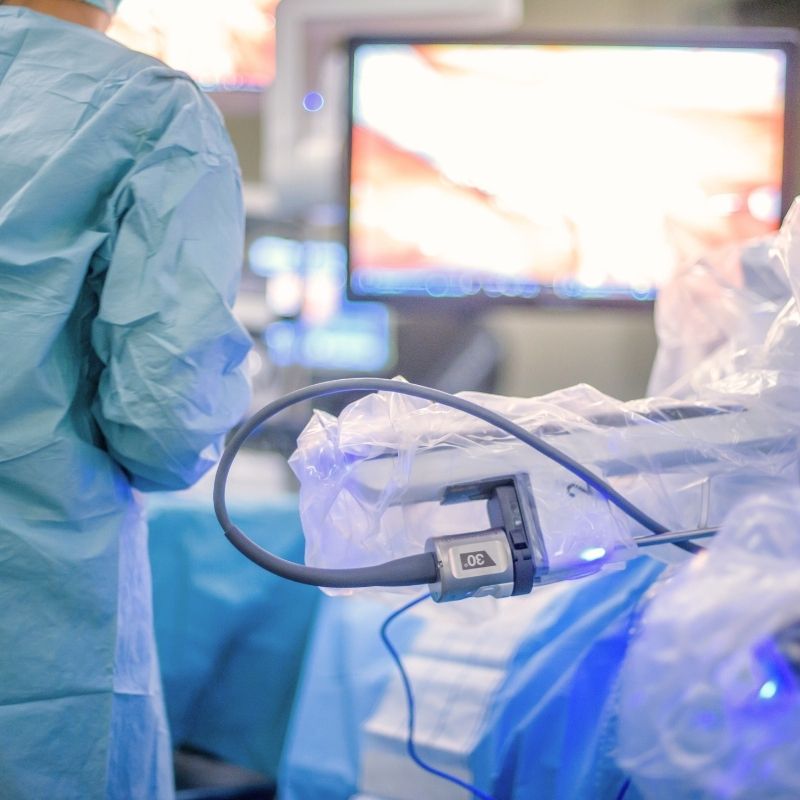
Robotic surgery plays a key role in managing rare and complex hernias. It allows precise dissection in challenging anatomical planes, controlled component release and accurate placement of large extraperitoneal reinforcement. The benefit of the robotic platform increases with the complexity of the pathology and supports durable repair while limiting surgical trauma.

Yes. Management of rare and complex hernias is inherently multidisciplinary. Surgeons work in close collaboration with physiotherapists, nutrition specialists, anaesthesiologists and other medical disciplines as needed. This team-based approach allows optimisation before surgery, safe execution and coordinated recovery.

Recovery is structured and closely monitored. Pain management follows an opioid-free strategy, early and progressive mobilisation is encouraged and functional recovery is guided carefully. Patients remain hospitalised until predefined recovery criteria are achieved, ensuring a safe and predictable transition back to daily life.
Advanced Planning and Team-Based Expertise

Anticipatory Surgical Planning

Complex hernia repair often requires anticipatory planning extending beyond the operative act itself. Preparatory measures may be integrated to improve abdominal wall compliance, facilitate safe reintegration of herniated contents and reduce physiological stress during reconstruction.

Multidisciplinary Coordination

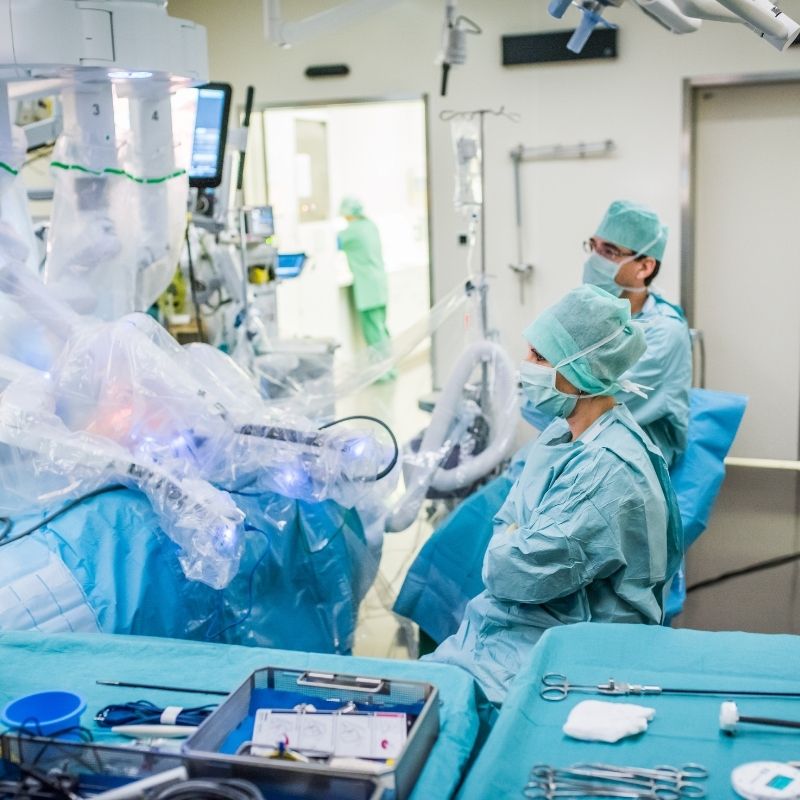
These strategies are implemented within a structured framework that brings together surgical, anaesthetic, medical, nutritional and physiotherapy expertise. Close collaboration with anaesthesiology supports perioperative safety, while rehabilitation specialists contribute to functional optimisation and recovery planning. This collective expertise allows complex reconstructions to be performed under controlled and optimised conditions.

Role of Robotic Surgery

Robotic surgery plays a central role within this multidisciplinary model, enabling precise dissection and controlled reconstruction in complex or altered anatomical planes. Its value becomes particularly evident when technical accuracy must be combined with minimal surgical trauma.

Why Specialised, Multidisciplinary Care Matters

Functional Restoration as the Primary Objective

In rare and complex hernias, the objective extends beyond anatomical correction. Treatment is directed toward restoration of abdominal wall function, physiological balance and long-term resilience, requiring coordinated planning and execution within a multidisciplinary framework.

Coherence of Strategy and Outcomes

These cases are managed through a collaborative model that mobilises all relevant expertise around the patient. Surgical skill is combined with structured perioperative care, multimodal prehabilitation and close postoperative follow-up. Outcomes depend not only on technical execution, but on the coherence of the reconstructive strategy and its capacity to restore function under real-life conditions.

Continuity of Care

Long-Term, Coordinated Follow-Up

Care for rare and complex hernias is delivered within a coordinated perioperative pathway, ensuring continuity from initial assessment through recovery and long-term follow-up. Communication between all involved disciplines is prioritised to maintain coherence of care and to adapt strategy as recovery progresses.

This integrated approach reflects a commitment to delivering the same level of comprehensive, multidisciplinary management found in academic centres, combined with the responsiveness, availability and continuity of a specialised surgical practice.

RARE & COMPLEX HERNIAS

Educational Resources

Selected complex hernia repair procedures are illustrated through surgical educational videos on the Geneva Surgery YouTube channel. These materials are intended exclusively for professional surgical education and complement clinical information, but do not replace individual medical consultation or patient-specific clinical evaluation.

Visit the Geneva Surgery YouTube channel for surgical educational videos related to complex hernia surgery and advanced abdominal wall reconstruction.