
FR - EN

Functional Upper Gastrointestinal Surgery & Cholecystectomy

Functional upper gastrointestinal surgery and cholecystectomy represent an integral part of the activity at Geneva Surgery.
This domain focuses on two major areas frequently encountered in clinical practice: gallbladder disease and functional or anatomical disorders of the upper digestive tract, including gastroesophageal reflux disease and hiatal hernia.

The objectives of treatment are durable symptom control, restoration of physiological function and reliable long-term outcomes, supported by a precise, structured and reproducible surgical approach.

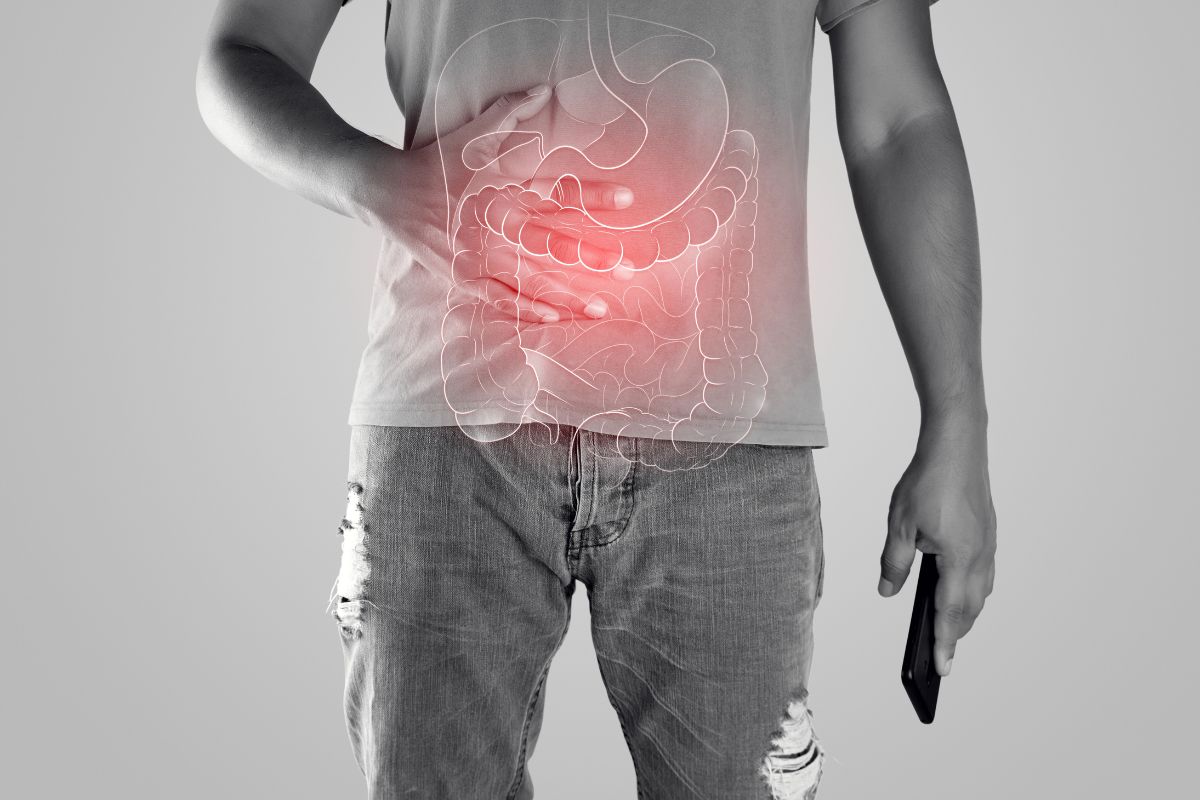
Illustration of internal organs is on the man body against the gray background. peopel touching stomach painful suffering from enteritis. internal organs of the human body.

Cholecystectomy and Gallbladder Disease

Robotic approach and anatomical safety

Cholecystectomy is performed using an exclusively robotic approach, with a strong emphasis on safety and anatomical clarity. Dissection is conducted within well-defined anatomical planes and is systematically supported by the integration of ICG cholangiofluorescence and intraoperative cholangiography, allowing enhanced visualisation of biliary anatomy.

Management of complex and inflammatory situations

This approach is particularly valuable in inflammatory or complex situations, where precision, stability and anatomical understanding are critical. The surgical strategy is guided by risk reduction and by the objective of minimising procedure-related complications through a structured, standardised and reproducible technique that has become a reference in this field.

Geneva Surgery

Geneva Surgery

CHOLECYSTECTOMY

CHOLECYSTECTOMY

The following answers address the most common questions about gallbladder disease and cholecystectomy, including symptoms, indications for surgery, surgical strategy and recovery.

The following answers address the most common questions about gallbladder disease and cholecystectomy, including symptoms, indications for surgery, surgical strategy and recovery.

Gallbladder disease refers to conditions affecting the gallbladder, most commonly gallstones, inflammation (cholecystitis) or gallbladder polyps. These conditions may cause pain, digestive symptoms or complications.

Gallstones are solid deposits that form inside the gallbladder from bile components. They may remain asymptomatic or cause biliary colic, inflammation or infection when they obstruct bile flow.

No. Asymptomatic gallstones often do not require treatment. Surgery is considered when stones cause recurrent pain, inflammation or complications, or when the risk profile justifies intervention.

Gallbladder polyps are growths arising from the gallbladder wall. Most are benign, but some carry a risk of malignant transformation depending on size, appearance and patient factors. Surgery is usually recommended for polyps larger than 10 mm, rapidly growing lesions or polyps associated with symptoms or risk factors, as these may carry an increased cancer risk.

When indicated, treatment consists of cholecystectomy, the removal of the gallbladder. At Geneva Surgery, this is performed using a fully robotic approach with enhanced anatomical visualisation.

Robotic surgery allows precise dissection within defined anatomical planes and improved identification of biliary structures using ICG fluorescence and intraoperative cholangiography, aiming the complication rate to the lowest possible.

Yes. With appropriate expertise and advanced imaging, robotic cholecystectomy offers a high level of safety, even in inflammatory or anatomically complex situations.

Recovery is usually rapid. Patients are mobilised early, resume oral intake quickly and often return to normal daily activities within a short period.

Yes. The gallbladder is not essential for digestion. Most patients have no long-term dietary limitations and experience normal digestive function after surgery.
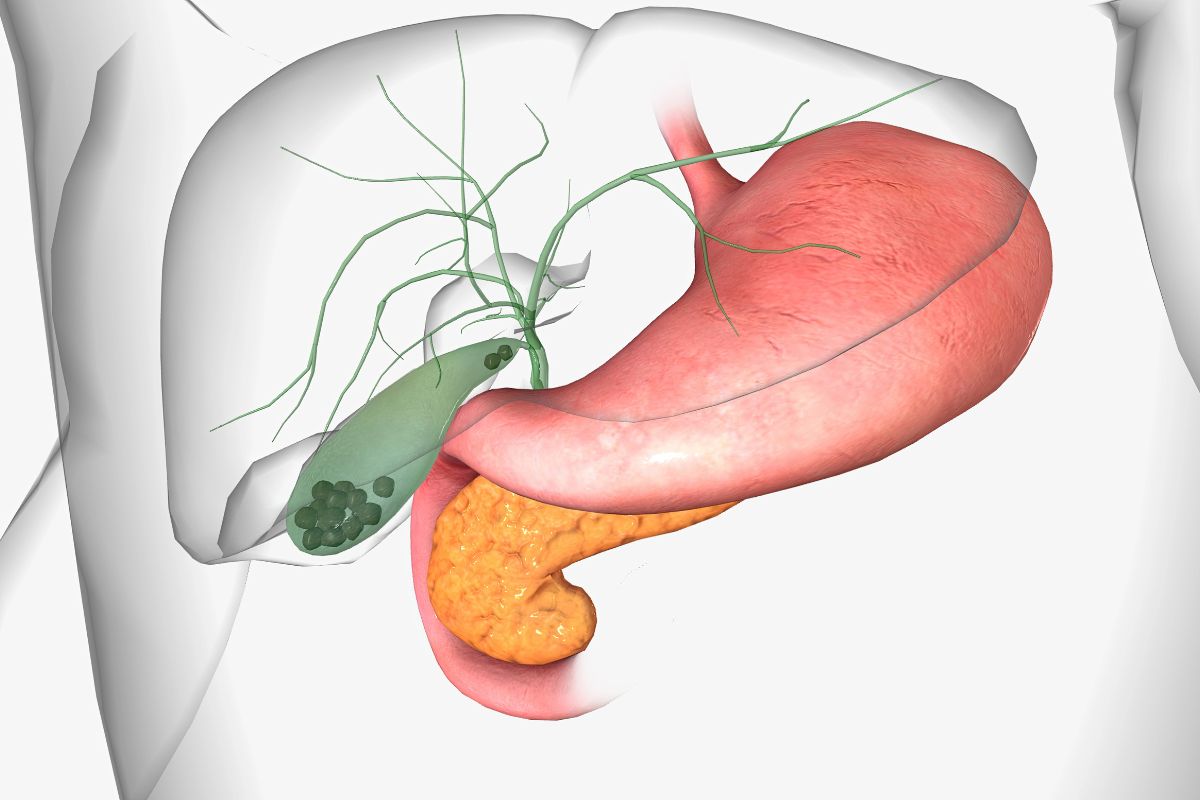
Gallstones are pieces of solid material that form in the gallbladder, a small hollow organ located beneath the liver. 3d rendering

Gastroesophageal Reflux Disease and Hiatal Hernia

Functional understanding and indications for surgery

Management of gastroesophageal reflux disease is grounded in a functional understanding of the esophagogastric junction and its role as a physiological barrier. In most situations, symptoms are effectively controlled with medical therapy and lifestyle adaptations. Surgical intervention is therefore considered selectively, in carefully evaluated cases where symptoms persist or where functional impairment remains significant despite optimal conservative management.

Hiatal hernia as an anatomical condition

Hiatal hernia represents a distinct anatomical condition characterised by herniation of abdominal contents into the mediastinum. It may be associated with reflux disease or occur independently. Clinical presentation varies according to the size of the hernia, the nature of the herniated organs, such as the stomach or colon, and the degree of mediastinal involvement, resulting in a wide spectrum of symptoms. In these situations, surgical correction represents the definitive therapeutic option.

Robotic reconstruction and long-term stability

When surgery is indicated, procedures are performed using an exclusively robotic approach and are tailored to individual anatomy and functional findings. The full spectrum of reconstructive techniques is mastered and proposed, allowing precise adaptation of the surgical strategy to each clinical situation, with the objective of durable anatomical restoration and long-term functional stability.

Geneva Surgery

Geneva Surgery

Gastroesophageal Reflux Disease & Hiatal Hernia

Gastroesophageal Reflux Disease & Hiatal Hernia

The following answers address the most common questions about gastroesophageal reflux disease and hiatal hernia, including symptoms, indications for surgery, surgical strategy and recovery.

The following answers address the most common questions about gastroesophageal reflux disease and hiatal hernia, including symptoms, indications for surgery, surgical strategy and recovery.

GERD occurs when stomach acid flows back into the oesophagus, causing symptoms such as heartburn, regurgitation or chest discomfort due to dysfunction of the natural anti-reflux barrier.

No. Most reflux symptoms are controlled with medication and lifestyle measures. In some patients, treatment needs to be escalated or continued long term, sometimes lifelong. Surgery is considered when symptoms persist, medication dependence is significant, or daily life remains affected despite optimal medical therapy.

A hiatal hernia occurs when part of the stomach, and sometimes other organs, moves up into the chest through the diaphragm. It may be associated with reflux or exist on its own.

Yes. Depending on its size and contents, a hiatal hernia can cause chest pressure, shortness of breath, swallowing difficulties or digestive discomfort, even without classic reflux symptoms.

Surgery is recommended when symptoms remain significant, complications develop, or when a large hiatal hernia causes functional impairment. It provides a definitive anatomical correction.

When indicated, surgery is performed using a fully robotic approach, allowing precise reconstruction tailored to individual anatomy, with the goal of durable symptom control and long-term functional stability.

Surgical Strategy and Perioperative Care

ERAS-aligned perioperative pathways

Perioperative management is fully integrated into the surgical strategy. Care is delivered within structured pathways aligned with ERAS principles, combining preoperative optimisation, procedure-adapted preparation, tailored opioid-sparing pain management and early mobilisation. This integrated approach supports safe, predictable recovery and durable long-term outcomes, in accordance with current evidence-based standards.

Functional Upper Gastrointestinal Surgery & Cholecystectomy

Educational Resources

Selected functional upper gastrointestinal and cholecystectomy procedures are presented through surgical educational videos on the Geneva Surgery YouTube channel. These materials are intended for professional surgical education and complement clinical information, but do not replace individual medical consultation or patient-specific evaluation.

Visit the Geneva Surgery YouTube channel for surgical educational videos related to functional upper gastrointestinal surgery and cholecystectomy.