

Minimally invasive surgery represents the standard operative strategy, with robotic surgery serving as the primary modality. This approach enables complex dissections and reconstructions to be performed with a high level of control and consistency, particularly in anatomically constrained regions such as the pelvis or upper abdomen, or in complex cases that exceed the limits of standard laparoscopy.
Robotic surgery extends the scope of minimally invasive techniques, reduces conversion to open procedures and limits surgical trauma while maintaining strict therapeutic objectives.
When surgical treatment is indicated, procedures are planned and performed in full accordance with established surgical and oncological principles, including appropriate resection margins and comprehensive lymphatic clearance when required. Beyond technical execution, a central objective is to ensure an uncomplicated postoperative course, allowing patients to continue their broader treatment pathway, including oncological care when applicable, without delay.
Perioperative management is fully integrated into the surgical strategy. All patients undergo structured preoperative optimisation, including in-person anaesthesia consultation, medical assessment and organisational planning.
Care pathways are aligned with ERAS principles and incorporate multimodal prehabilitation, nutritional optimisation with systematic immunonutrition when indicated, opioid-free pain management strategies and early mobilisation.
Preparation before colorectal surgery is an integral part of the treatment strategy. Patients are included in a structured prehabilitation pathway designed to optimise physical condition, nutritional status and overall medical balance before the operation. This preparation improves tolerance to surgery, reduces the risk of complications and supports a smoother postoperative course.
In colorectal surgery, systematic bowel preparation is a standard component of care. All colonic procedures are performed according to established protocols combining mechanical bowel preparation and antibiotic decontamination, in accordance with international recommendations. This evidence-based approach has been shown to reduce infectious complications and supports safe and controlled surgical execution.
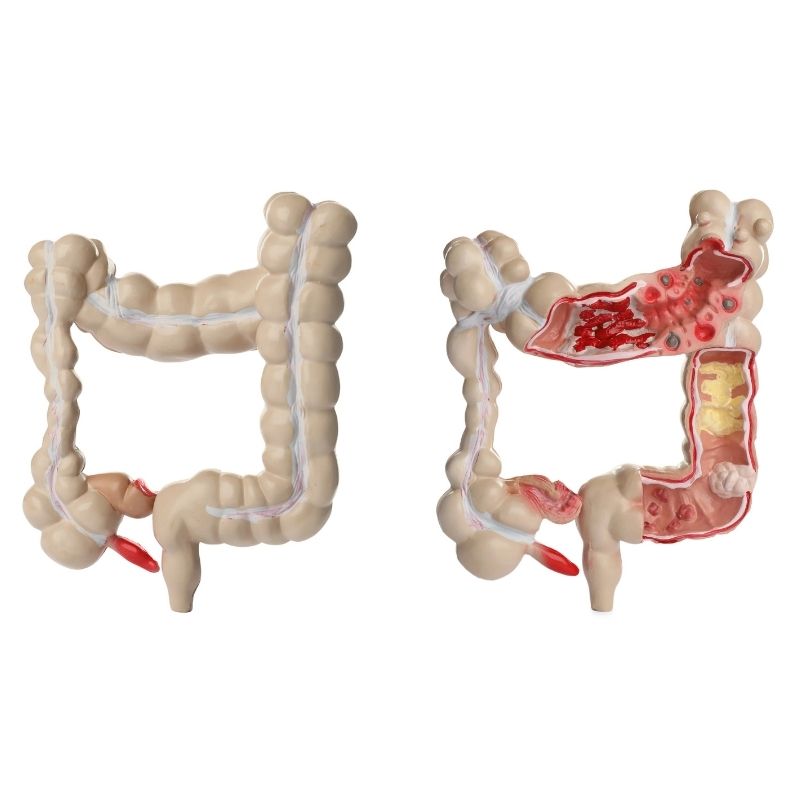
Preparation also includes clear and transparent information, enabling patients to understand each step of the surgical pathway and to become active participants in their care. By anticipating and optimising all modifiable factors before surgery, the objective is to create the best possible conditions for a safe procedure and a predictable recovery.

Thrombosis prophylaxis is addressed through a comprehensive strategy combining early and continued mobilisation, systematic use of graded elastic compression stockings, intermittent pneumatic compression boots applied during surgery on the operating table, and prophylactic anticoagulation.
Postoperative recovery is closely monitored through coordinated surgical and anaesthesia care. Patients remain hospitalised until predefined recovery criteria are achieved, including effective pain control without routine opioid use, independent ambulation, adequate oral intake and recovery of bowel function. This structured framework supports a safe and predictable transition from hospital care to recovery at home.
Selected educational surgical cases are shared through dedicated media platforms. These resources provide insight into surgical strategy and execution while maintaining patient confidentiality and clinical discretion, and do not replace individual consultation or personalised medical evaluation.