
Abdominal wall reconstruction and hernia surgery represent a central area of expertise at Geneva Surgery. The abdominal wall is a key component of overall core health, contributing to posture, breathing, trunk stability and load transmission. It functions in close interaction with the diaphragm, spine and pelvic floor as part of an integrated functional system.
Alterations of this system, including hernias and diastasis recti, may affect not only local anatomy but also global core function. In some situations, impaired core integrity can be associated with pelvic floor dysfunctions, reflecting the interdependence of these structures. Surgical reconstruction therefore aims to restore anatomical integrity while supporting functional core stability as part of a comprehensive and durable approach.
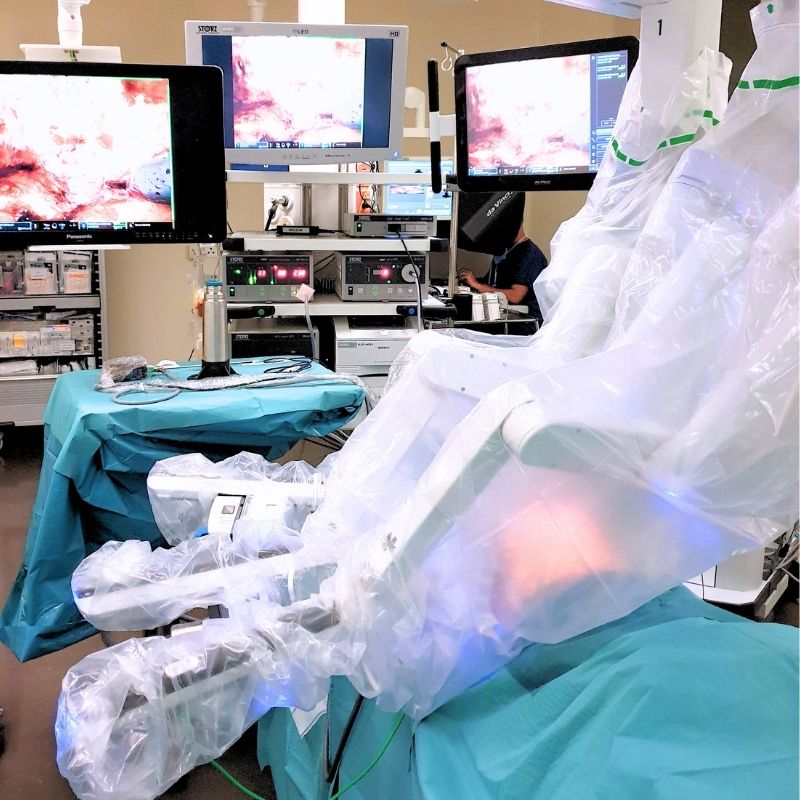
The full spectrum of abdominal wall conditions is managed, including primary hernias, incisional hernias, large and giant hernias, as well as complex or recurrent defects. Each situation is assessed individually, integrating detailed anatomical analysis with functional considerations to define the most appropriate reconstructive strategy.
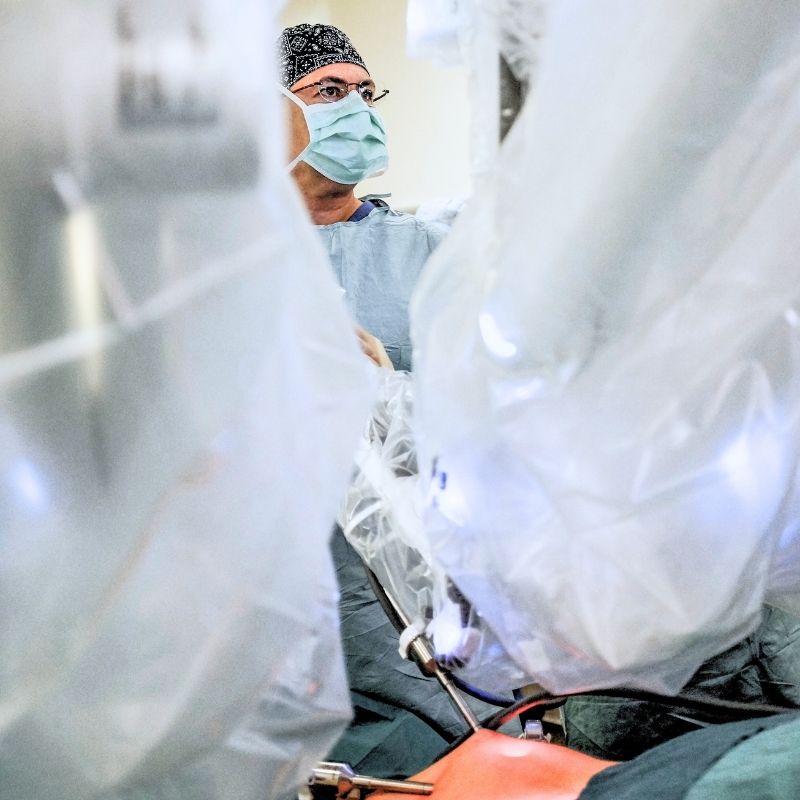
Robotic surgery is systematically integrated into abdominal wall reconstruction whenever it enhances precision, facilitates dissection in the appropriate anatomical planes and improves the quality of suturing, regardless of defect size.
Long-standing experience with robotic techniques has contributed to the development and refinement of contemporary approaches to midline reconstruction, including the Inan inverting plication, a named plication technique developed within this practice and shared through international teaching activities, training courses and academic contributions.
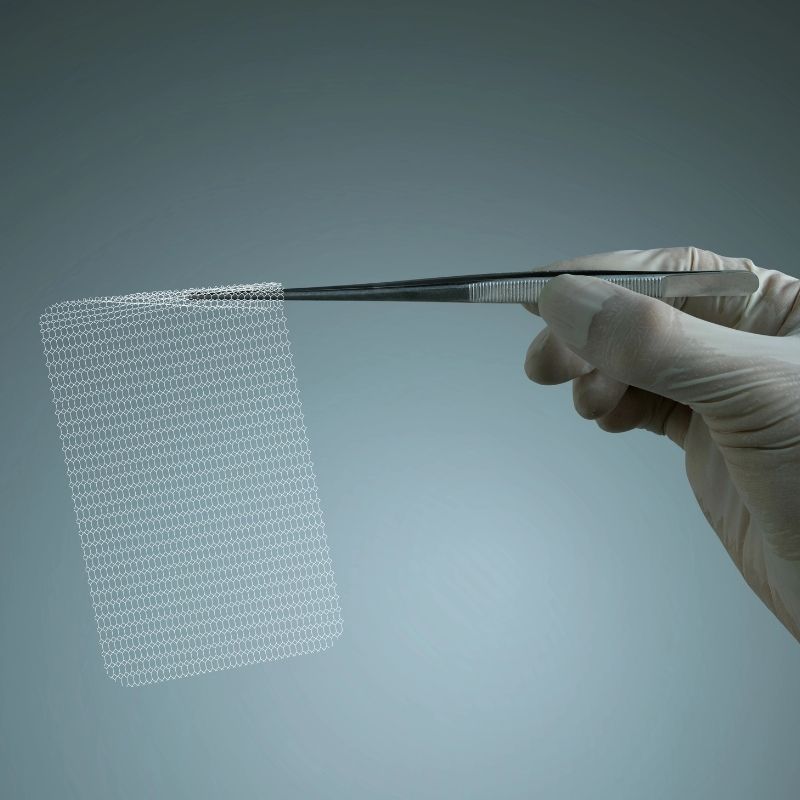
Prosthetic reinforcement is used when indicated, with the choice of material tailored to the clinical situation, discussed preoperatively and aligned with current international guidelines.
Particular attention is given to positioning, tissue coverage and long-term integration, with the objective of reinforcing the abdominal wall while preserving its dynamic properties and functional role.
Treatment options, expected benefits and residual risks are explained in clear and neutral terms, allowing patients to make informed decisions based on realistic and durable outcomes.
Selected hernia repair procedures are illustrated through surgical educational videos on the Geneva Surgery YouTube channel. These materials are intended for professional surgical education and complement clinical information, but do not replace individual medical consultation or patient-specific clinical evaluation.
Visit the Geneva Surgery YouTube channel for surgical educational videos related to hernia and abdominal wall surgery.