
Emergency surgery is an integral component of the robotic surgery philosophy at Geneva Surgery. Acute visceral conditions require rapid decision-making, precise execution and seamless coordination. In this context, robotic surgery is not an exception but a natural extension of minimally invasive surgery, applied consistently whenever it offers a clear benefit.
Robotic emergency surgery is particularly valuable in demanding, inflammatory or complex situations. A complete and integrated robotic ecosystem brings together stable three-dimensional visualisation, articulated instruments, advanced energy devices, articulated staplers and precise suction–irrigation systems.
This comprehensive environment allows the surgeon to deploy experience and judgement effectively, facilitating safe resolution of complex problems while maintaining control and consistency.
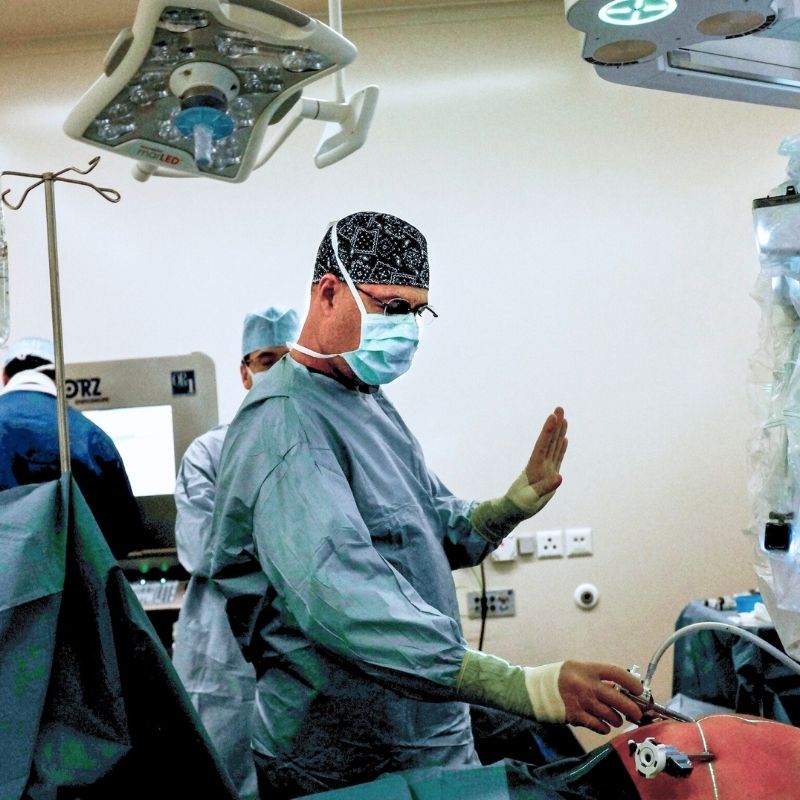
Providing robotic emergency surgery on a 24/7 basis relies on organisation rather than exceptional measures. At Geneva Surgery, the robotic platform is considered a natural continuum of standard laparoscopic practice. All operating room teams are trained and familiar with robotic workflows, allowing emergency procedures to be performed with the same standards of precision, safety and efficiency as elective surgery, regardless of time or circumstance.
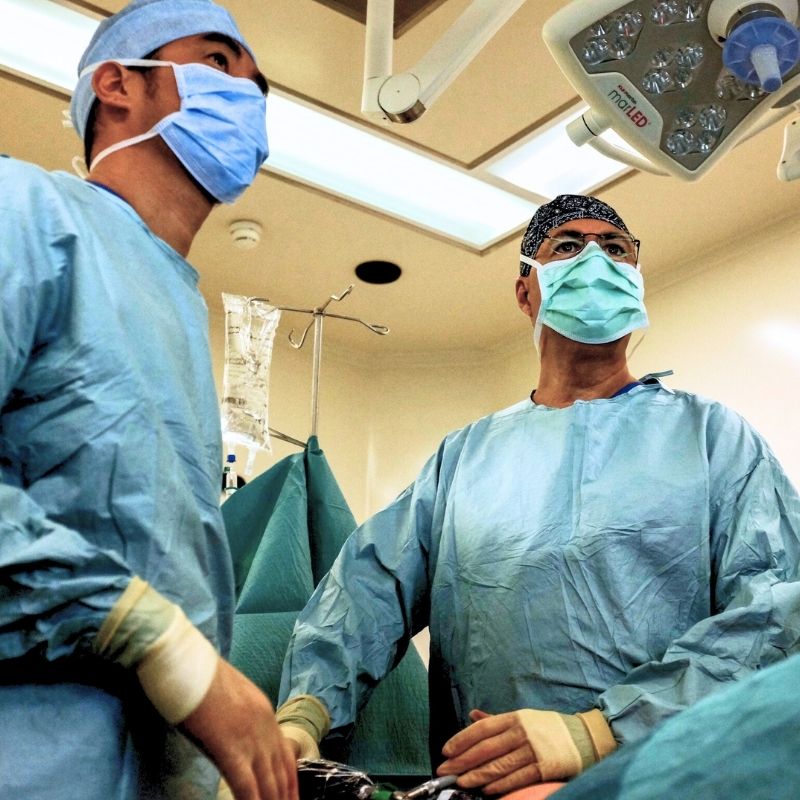
Emergency care is delivered within a multidisciplinary framework. Medical, radiological, gastroenterology and critical care expertise are integrated when indicated, ensuring that diagnostic evaluation, surgical intervention and postoperative management remain fully coordinated. This collaborative approach supports appropriate decision-making in time-sensitive situations and contributes to optimal outcomes.
ERAS-Based Principles Applied to Emergency Surgery
Perioperative management follows the same structured, evidence-based principles applied across the practice, adapted to the emergency setting. Whenever feasible, care pathways are aligned with ERAS (Enhanced Recovery After Surgery) principles, ensuring consistency, safety and functional recovery despite the acute context.
Pain control is based on a proactive, multimodal strategy designed to minimise surgical stress and avoid routine use of systemic opioids. This approach supports early mobilisation, gastrointestinal recovery and overall postoperative stability.
Thrombosis prophylaxis is addressed through a comprehensive strategy combining early and continued mobilisation, systematic use of graded elastic compression stockings, intermittent pneumatic compression boots applied during surgery on the operating table, and prophylactic anticoagulation integrated into the perioperative protocol.
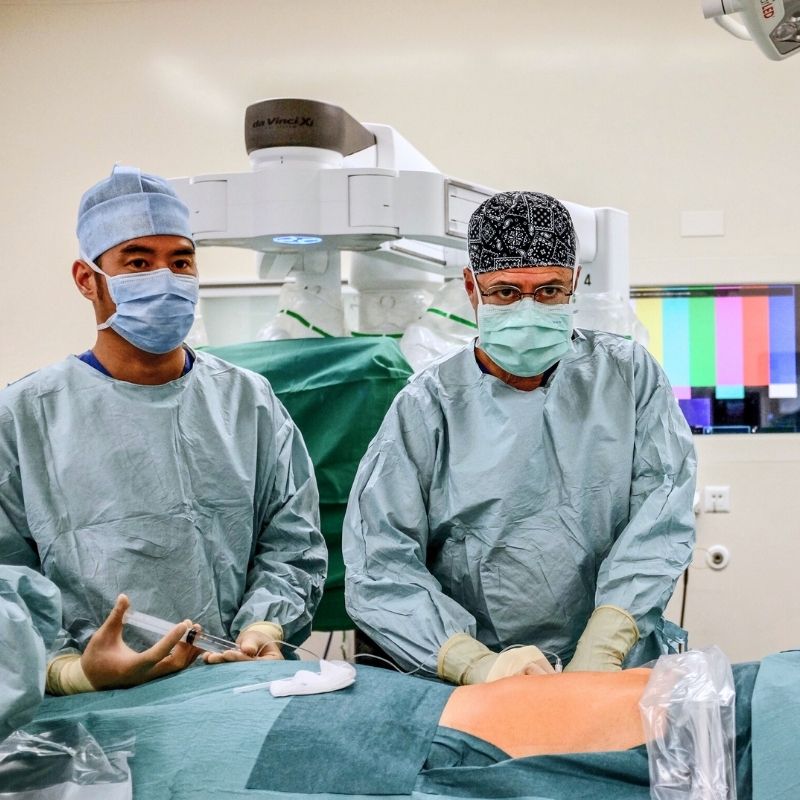

In emergency situations, preparation is necessarily adapted to clinical urgency but remains structured and anticipatory. When patient condition allows, key modifiable risk factors are optimised before surgery, including fluid balance, metabolic status and respiratory function.
Clear and transparent information is provided to patients and relatives whenever possible, allowing understanding of the surgical strategy and postoperative course, even in an acute context. This structured approach supports safer intervention and more predictable recovery.
Patients remain hospitalised until predefined recovery criteria are achieved. These include effective pain control without routine opioid use, independent ambulation, adequate oral intake and recovery of bowel function. This structured approach ensures a safe and predictable transition from emergency intervention to recovery, without compromising quality of care.
Selected emergency and robotic digestive surgery procedures are presented through surgical educational video material on the Geneva Surgery YouTube channel. These videos are intended for professional surgical education and complement clinical information, but do not replace individual medical consultation or in-person clinical evaluation.
Visit the Geneva Surgery YouTube channel for surgical educational videos related to emergency and robotic digestive surgery.