
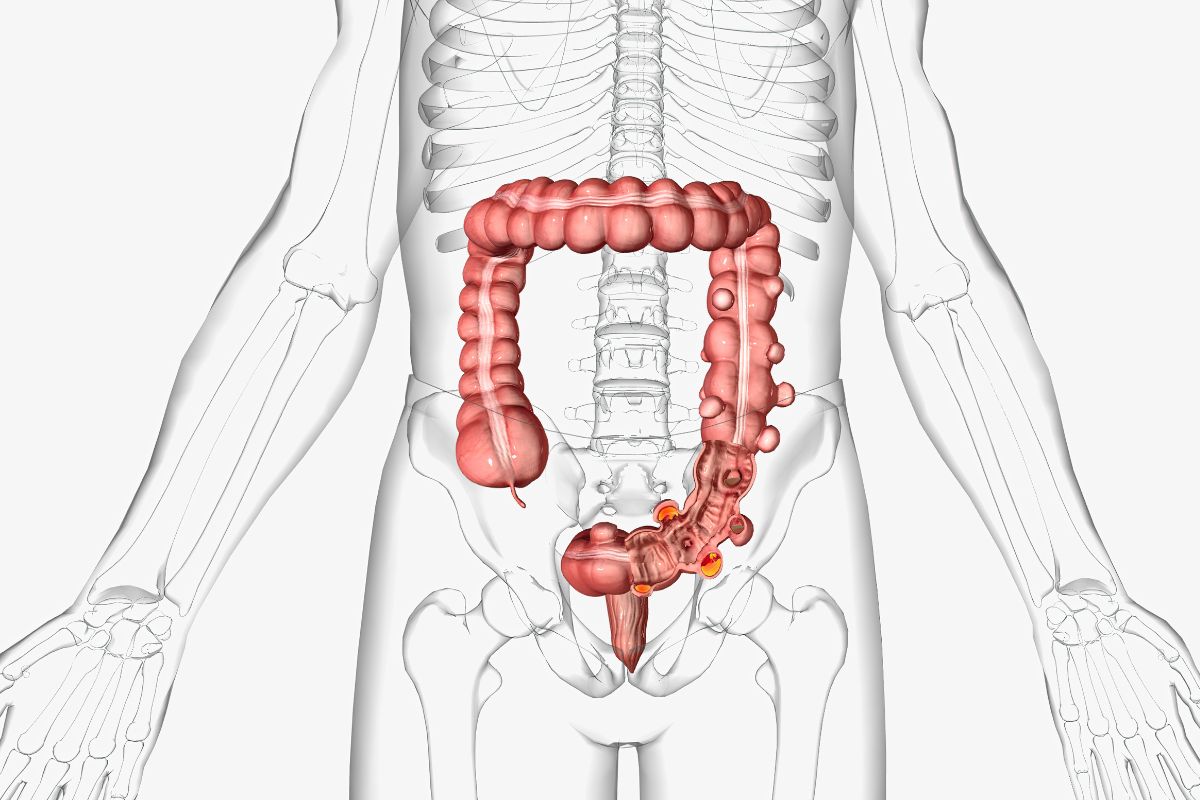
Surgical treatment is considered in selected situations, such as recurrent symptomatic episodes affecting quality of life, the occurrence of complications including abscess, fistula or stenosis, or disease patterns associated with increased individual risk. Each situation is evaluated individually, integrating disease history, symptom burden, anatomical findings and the overall patient profile.
Decisions are made within a shared decision-making framework, based on clear, objective information and realistic expectations. The objective is to offer a treatment strategy that is effective, proportionate and tailored to each individual situation.
When surgery is indicated, preparation plays a central role in the quality of the outcome. Patients are integrated into a structured prehabilitation programme aimed at optimising physical condition, nutritional status and medical balance before surgery. This preparation allows patients to approach the operation in the best possible condition and contributes to smoother postoperative recovery.
Colorectal surgery for diverticular disease is performed following a systematic bowel preparation protocol combining mechanical preparation and antibiotic decontamination. This evidence-based approach aims to reduce infectious risk and supports safe and controlled surgical execution.
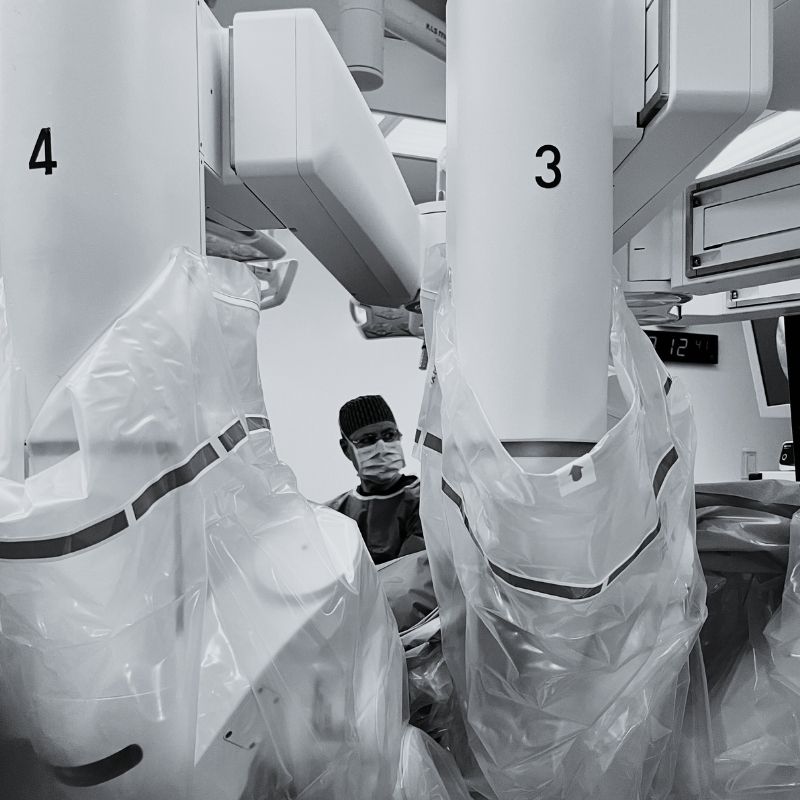
At Geneva Surgery, colorectal resections for diverticular disease are performed using a minimally invasive strategy in which robotic surgery represents the primary operative modality. This approach allows precise dissection within inflamed or fibrotic tissue planes, accurate vascular control and meticulous reconstruction, particularly in anatomically constrained regions such as the pelvis. This level of precision contributes to consistent execution and predictable recovery.
Perioperative management is fully integrated into the global care pathway. Patients are managed within structured protocols aligned with ERAS principles, including preoperative optimisation, opioid-free pain management, early mobilisation and coordinated postoperative follow-up. The objective is not only resolution of the disease, but also preservation of function and a timely return to normal life.

Preparation before colorectal surgery is an integral part of the treatment strategy. Patients are included in a structured prehabilitation pathway designed to optimise physical condition, nutritional status and overall medical balance before the operation. This preparation improves tolerance to surgery, reduces the risk of complications and supports a smoother postoperative course.
Systematic bowel preparation is a standard component of care. All colonic procedures are performed following a combined mechanical and antibiotic bowel preparation protocol, in accordance with established international recommendations. This evidence-based approach has demonstrated a reduction in infectious complications and supports safe and controlled surgical execution.
Preparation also includes clear and transparent information, allowing patients to understand each step of the surgical pathway and to become active participants in their care. By anticipating and optimising all modifiable factors before surgery, the objective is to create the best possible conditions for a safe procedure and a predictable recovery.
Selected diverticular disease procedures are presented through surgical educational video material available on the Geneva Surgery YouTube channel.
These videos are intended for professional and academic education and complement clinical information, without replacing individual consultation or personalised clinical assessment.
Visit the Geneva Surgery YouTube channel for surgically oriented educational content related to colorectal and diverticular disease management.